
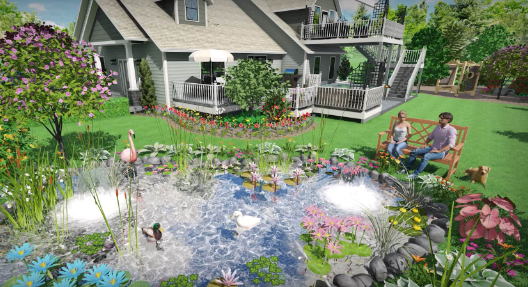
Real-time landscaping architecture is transforming how we envision outdoor spaces, blending technology with design. In 2022, this innovative field has gained momentum, thanks to advances in digital tools and a growing emphasis on sustainability. As urban environments continue to evolve, understanding real-time landscaping can be invaluable for both professionals and enthusiasts in the field.
The Impact of Technology on Design
Real-time landscaping architecture leverages cutting-edge software that allows designers to simulate and visualize landscapes instantly. This means that architects can present ideas and make immediate adjustments based on feedback, enhancing collaboration with clients and stakeholders. By incorporating augmented reality (AR) or virtual reality (VR), professionals can immerse clients in their future outdoor spaces, providing a more tangible experience. This tech-driven approach not only streamlines the design process but also encourages more sustainable decisions, as designers can easily analyze the environmental impact of various elements.
Sustainability in Landscaping Practices
With heightened awareness around climate change, sustainable landscaping practices have become a focal point in real-time landscape architecture. Designers are now tasked with creating spaces that not only look good but also offer ecological benefits. This includes selecting native plants that require less maintenance and water, using permeable materials for walkways to reduce runoff, and integrating green roofs or walls into projects. In 2022, the emphasis is on creating landscapes that enhance biodiversity and support local ecosystems, making sustainability a vital element in the design process.
Engaging the Community Through Design
Real-time landscaping architecture isn’t just about aesthetics; it’s also about community engagement. Today, many designers incorporate feedback from local residents when planning public spaces. By using digital tools to showcase proposals, communities can visualize changes and share input effectively. This participatory approach fosters ownership and pride among community members, ultimately leading to higher satisfaction with public projects. In 2022, the focus is on collaboration, ensuring that outdoor spaces reflect the unique needs and desires of those who will use them.
In conclusion, the landscape architecture of 2022 is a dynamic field deeply rooted in technology, sustainability, and community engagement. As we continue to redefine our outdoor spaces, embracing real-time design methods will be essential in creating environments that are not only beautiful but also functional and responsible. If you’re interested in learning more about this exciting area or looking to enhance your own outdoor space, consider exploring the latest tools and techniques in real-time landscape architecture.