
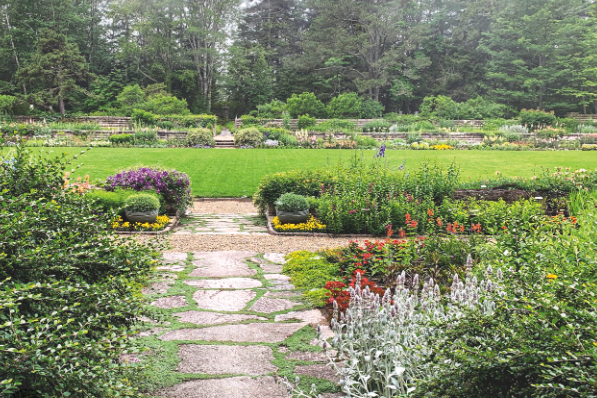
Exploring the Garden Legacy of Beatrix Farrand
Beatrix Farrand was a trailblazing landscape architect whose work has left a lasting imprint on American garden design. As one of the first women to enter the field, her contributions are not only significant in terms of aesthetics, but they also reflect a groundbreaking spirit that inspires landscape architects today. Delving into her life and works offers valuable insights into the world of garden design, emphasizing the important role that nature plays in our lives.
The Pioneer of Landscape Architecture
Born in 1872, Beatrix Farrand was part of a prominent family that encouraged her artistic pursuits. She became the first female graduate of the New York School of Landscape Architecture. Throughout her career, she worked on numerous high-profile projects, including the gardens at the White House and the Hosmer Garden at the University of California, Berkeley. Her designs often blended natural elements with architectural features, creating harmonious spaces that invited contemplation and appreciation of nature.
Farrand’s approach to landscape design was innovative for her time, incorporating local flora and sustainable practices long before these concepts became mainstream. This notable focus not only enhanced the beauty of her gardens but also ensured that they thrived in their particular environments. Her legacy paved the way for future generations of designers, encouraging them to embrace both creativity and ecological mindfulness.
Design Principles and Techniques
Farrand’s design principles emphasized the importance of context. She believed that every garden should reflect its surroundings, from the natural landscape to the architecture of nearby structures. This thoughtful approach ensured that her gardens felt like extensions of their environments rather than mere additions. She was especially adept at using materials that complemented the landscape, often favoring native plants to promote biodiversity.
One of Farrand’s signature techniques was the use of formal and informal designs, balancing structured layouts with the natural growth patterns of plants. This blend of formality and spontaneity created gardens that were both organized and inviting. Her mastery of scale and texture also contributed to the sensory experience of her gardens, allowing visitors to engage fully with the landscapes she crafted.
A Lasting Impact on Modern Gardening
Beatrix Farrand’s influence is still felt in today’s landscape architecture. Her commitment to blending functionality with beauty resonates in contemporary design philosophies, particularly those that advocate for sustainability and ecological awareness. Modern landscape architects often draw inspiration from Farrand’s techniques and principles, adapting them to meet the needs of today’s urban and suburban environments.
Moreover, organizations like the Beatrix Farrand Society work to preserve and promote her contributions to landscape architecture, ensuring that her vision continues to inspire future generations. These efforts highlight the importance of nurturing both historical knowledge and new ideas in the field, fostering a richer understanding of how we interact with our natural surroundings.
In conclusion, exploring the life and works of Beatrix Farrand opens up a world of inspiration for anyone interested in landscaping and gardening. Her innovative designs and principles serve as a reminder of the beauty and importance of nature in our lives. To delve deeper into her legacy, consider visiting gardens she designed or exploring literature that showcases her contributions to landscape architecture.