
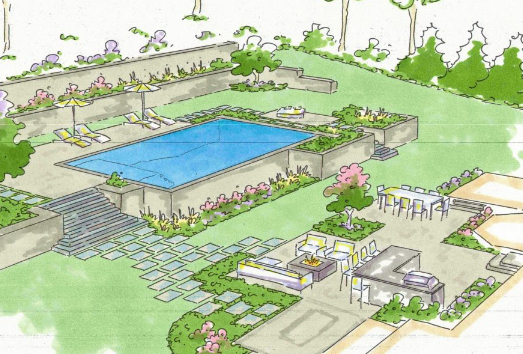
In today’s world, the importance of sustainable and aesthetically pleasing outdoor spaces cannot be overstated. Project landscape architects play a critical role in designing these environments, combining art and science to create functional and beautiful landscapes. This article explores what a project landscape architect does, the skills required, and the impact they have on various projects.
The Role of Project Landscape Architects
Project landscape architects are professionals who design, plan, and manage outdoor spaces, including parks, gardens, and commercial properties. Their work starts with a thorough understanding of the site and its context, considering factors like climate, topography, and native plants. They collaborate with urban planners, architects, and engineers to ensure that the landscape complements the overall project vision. Through their expertise, these architects create spaces that enhance quality of life, foster biodiversity, and encourage sustainable practices.
Essential Skills and Qualifications
To succeed as a project landscape architect, individuals need a unique blend of skills and qualifications. A degree in landscape architecture is typically essential, providing a foundation in design principles, ecological systems, and environmental science. In addition to formal education, strong project management and communication skills are crucial, as these professionals often lead multidisciplinary teams. Creative thinking and an understanding of sustainable practices are also vital, allowing architects to develop innovative solutions that meet both aesthetic and functional needs.
The Impact on Communities
The work of project landscape architects significantly influences community well-being. Thoughtfully designed green spaces can improve air quality, reduce urban heat, and provide habitat for wildlife. Well-planned recreational areas encourage physical activity and social interaction, fostering a sense of belonging among residents. By incorporating sustainability practices, landscape architects can contribute to climate resilience, ensuring that spaces remain enjoyable for future generations. Their contributions are not only about beautification; they play a pivotal role in creating healthier, more sustainable communities.
Conclusion
Project landscape architects serve as essential players in the development of outdoor spaces that are not only visually appealing but also environmentally sustainable. Their expertise makes a lasting impact on communities, enhancing both the physical environment and quality of life. If you’re interested in learning more about landscape architecture or considering a career in this field, exploring local educational programs or attending workshops can be an excellent first step. Engage with the landscape around you and appreciate the artistry and science that shape our everyday environments!