
Frank Lloyd Wright’s Landscape Architecture: Harmonizing Nature and Design
Frank Lloyd Wright is celebrated not only for his architectural innovations but also for his profound influence on landscape architecture. By seamlessly integrating buildings with their natural surroundings, Wright’s designs offer us insights into sustainable practices and aesthetic harmony. Exploring his approach to landscape architecture can provide inspiration for contemporary designs and enhance our understanding of environmental stewardship.
The Philosophy of Organic Architecture
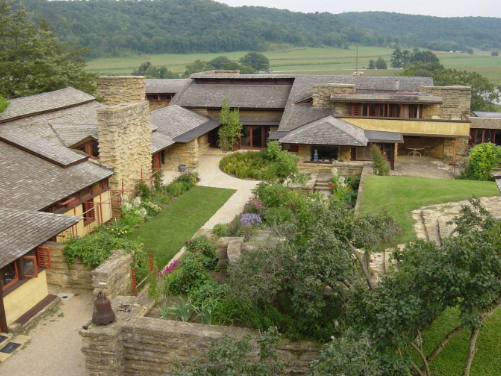
Wright’s philosophy, known as “organic architecture,” emphasizes the relationship between structures and their environment. He believed that buildings should not merely coexist with nature but should reflect and enhance it. This idea is evident in many of his projects, where he used local materials and incorporated natural elements into his designs. For example, at Taliesin, his estate in Wisconsin, the landscape serves as an extension of the architecture, creating a unified experience for visitors. This approach encourages modern designers to consider how their projects can coexist harmoniously with the existing environment.
Influential Projects and Their Landscapes
Wright’s projects, such as Fallingwater and the Robie House, illustrate his ability to blend architecture with landscape. Fallingwater, built over a waterfall in Pennsylvania, is often regarded as one of his masterpieces. Its design capitalizes on the natural rock formations and water elements, making the house feel like an integral part of the landscape. Similarly, the Robie House in Chicago features a carefully landscaped garden that complements its Prairie-style architecture. These projects highlight how thoughtful landscaping can enhance the beauty of architecture, serving as a reminder for contemporary designers to prioritize landscape in their work.
Sustainable Practices in Wright’s Designs
Wright was an early advocate for sustainable practices in architecture and landscape design. He utilized native plants, which require less maintenance and irrigation, enhancing the ecological balance of the environment. His designs often included features like green roofs and terraces that foster biodiversity. Today, this focus on sustainability resonates more than ever as we strive to mitigate the impacts of climate change. By studying Wright’s methods, current and future designers can glean valuable lessons on nurturing the natural world through responsible design choices.
In conclusion, Frank Lloyd Wright’s approach to landscape architecture offers timeless lessons in blending the built environment with the natural world. His commitment to organic architecture, iconic projects, and sustainable practices continues to inspire architects and landscape designers today. To delve deeper into Wright’s work or to explore how these principles can be applied to contemporary design, consider visiting one of his famous sites or reading his writings on architecture. Embrace the idea that our designs do not exist in isolation but rather as part of a larger ecological tapestry.