
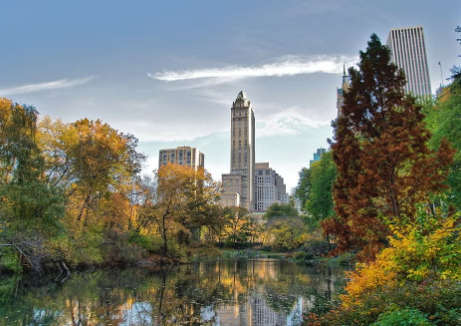
Frederick Law Olmsted is a name that carries significant weight in the realm of landscape architecture and urban planning. He is best known for developing the concept of urban parks, which has transformed city life across the United States. These green spaces not only offer a respite from the hustle and bustle of urban life but also serve as vital areas for community gathering, recreation, and conservation.
1. The Visionary Behind Urban Parks
Frederick Law Olmsted was not just a designer but a visionary who understood the need for public green spaces in the burgeoning cities of the 19th century. His work began with the design of New York City’s Central Park, which opened in 1858 and was groundbreaking in its integration of natural landscapes into urban settings. Olmsted believed that parks could provide urban residents with a refuge where they could escape the stresses of city life and experience nature.
Olmsted’s design philosophy centered on the concept of “naturalism,” where he aimed to preserve native landscapes while making them accessible to the public. His ability to blend the unique characteristics of various landscapes into city parks set him apart. Today, cities across the globe continue to adopt Olmsted’s principles, reflecting his lasting impact on urban design.
-
- Research the history of local parks.
-
- Consider how nature can improve your community’s mental health.
-
- Advocate for more green spaces in urban areas.
-
- Support local initiatives for park maintenance and development.
2. The Lasting Impact of Olmsted’s Designs
After the success of Central Park, Olmsted continued to design numerous other parks and park systems, including Prospect Park in Brooklyn and the Emerald Necklace in Boston. His designs are characterized by their picturesque landscapes and careful attention to visual harmony. Olmsted’s work provided a framework that other cities have followed, allowing urban parks to flourish and evolve.
Many of Olmsted’s parks have become social and cultural hubs for their respective communities. They host a variety of activities ranging from concerts to educational programs, making them integral parts of urban life. As such, Olmsted’s vision of parks as essential urban elements continues to manifest in modern urban planning, often being tied to the ecological sustainability movement.
-
- Visit Olmsted-designed parks to experience his vision firsthand.
-
- Participate in local park events to foster community spirit.
-
- Promote urban sustainability initiatives aligned with park conservation.
-
- Engage in discussions about the importance of public green spaces in urban planning.
3. Connecting Communities Through Green Spaces
Olmsted recognized that parks serve as more than just recreational spaces; they also connect diverse communities. By designing parks that accommodate various activities, such as sports, picnicking, and walking, he ensured that all citizens could benefit from these communal areas. This inclusivity has made urban parks essential in promoting social interaction and cultural exchange.
Moreover, the presence of urban parks has been shown to increase property values and attract businesses, boosting local economies. They also enhance public health by providing residents with opportunities for exercise and relaxation. As urban areas continue to grow, ensuring equitable access to green spaces will remain a significant challenge and opportunity for community planners.
-
- Explore volunteer opportunities in local parks.
-
- Advocate for inclusive park designs that cater to diverse populations.
-
- Encourage neighborhood groups to utilize park spaces for gatherings.
-
- Participate in or organize community clean-ups to maintain park environments.
In conclusion, Frederick Law Olmsted’s impact on urban parks is indelible and continues to inspire urban planning today. By understanding the importance of these green spaces, we can actively engage in preserving and improving our communities. Whether through advocacy or participation, everyone can play a part in championing the parks that enrich our urban lives.