
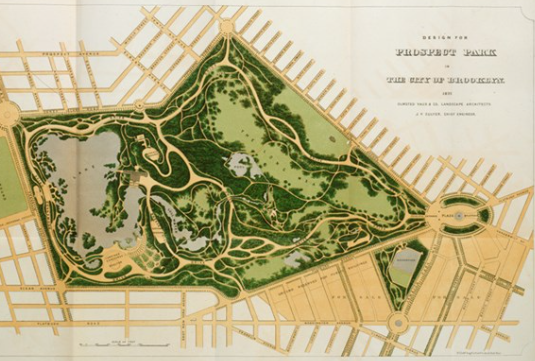
Public spaces play a crucial role in shaping democratic values, and few individuals understood this better than Frederick Law Olmsted. Known for designing iconic parks like Central Park in New York City, Olmsted’s work reflects his deep commitment to social equity, community engagement, and the essential role of public spaces in fostering a democratic society. This blog post will explore how Olmsted’s design philosophies contribute to democratic ideals through the creation and management of public spaces.
1. The Role of Public Spaces in Democracy
Public spaces serve as vital arenas for civic engagement, discussion, and interaction among diverse groups of people. Olmsted believed these spaces should be accessible and inviting to everyone, regardless of socioeconomic status. For example, Central Park is designed to draw individuals from all walks of life together, encouraging them to mingle, share experiences, and build a sense of community. This blending of different social classes helps to diminish barriers and fosters a more inclusive society.
Moreover, public spaces serve as platforms for democratic activities, such as rallies, community meetings, and public performances. When people gather in these environments, they can express their opinions and debate issues that affect them. By providing a space where citizens can come together, Olmsted’s parks actively promote civic engagement and participation, reinforcing the principles of democracy.
-
- Visit local public parks to observe how diverse groups interact.
-
- Participate in community events held in public spaces.
-
- Advocate for the maintenance and preservation of public parks.
-
- Encourage local government to invest in public facilities.
2. Olmsted’s Design Philosophy
Olmsted’s design philosophy encompassed a variety of elements aimed at creating harmonious and functional public spaces. He believed that landscaping should reflect the natural beauty of the surroundings while catering to public needs. The balanced integration of natural elements, such as trees, water features, and open fields, creates tranquil environments where individuals can escape from the hustle and bustle of urban life, enhancing their emotional well-being.
Olmsted also emphasized the importance of ease of movement. Paths and roads within parks are not only designed for aesthetic appeal but also to facilitate accessibility. This approach ensures that everyone, regardless of their physical ability, can enjoy the park’s offerings, promoting democratic values of equality and inclusion. By designing spaces that prioritize accessibility, Olmsted’s work encourages citizens to engage freely with their surroundings.
-
- Consider the landscaping in your local parks and its impact on mood.
-
- Participate in community discussions on public space designs.
-
- Propose ideas for improving accessibility in public spaces.
-
- Support initiatives that focus on native plantings and ecological health.
3. The Impact of Olmsted’s Parks on Social Equity
Olmsted’s work underscores the belief that public parks should serve as equalizers, where individuals from varying backgrounds can come together. His designs often included features that catered to a wide range of recreational activities, fostering interactions that transcend social divides. For instance, the diverse amenities in Central Park, such as playgrounds, sports fields, and open spaces for picnicking, encourage individuals and families from all socio-economic statuses to utilize the park.
Furthermore, Olmsted’s emphasis on public parks as urban “lungs” highlights their role in improving public health. By promoting outdoor activities, parks contribute to the physical and mental well-being of the community. This focus on health equity echoes democratic values, ensuring that all citizens have equal access to the resources needed for a healthy life, regardless of their social standing.
-
- Explore different activities available in local parks.
-
- Share your experiences from social interactions in public spaces.
-
- Support programs that aim to enhance park accessibility.
-
- Advocate for community-developed park initiatives.
In conclusion, Frederick Law Olmsted’s visionary work demonstrates the powerful connection between public spaces and democracy. His design philosophy promotes inclusivity, civic engagement, and social equity, essential for a thriving democratic society. To further support these goals, consider engaging with your local public spaces and advocating for improvements that benefit everyone in your community.