
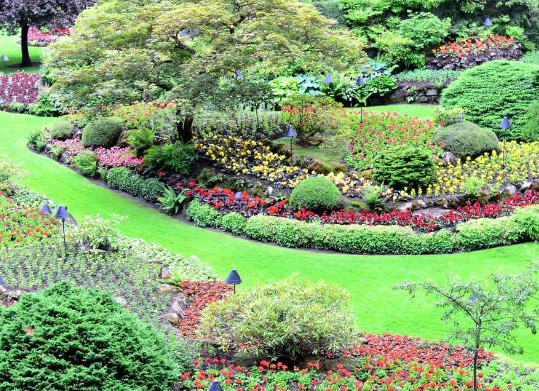
Landscape design is not just about aesthetics; it also involves an intricate dance with environmental layers that influence the overall design. These layers interact with each other and determine what plants thrive, how water moves through the landscape, and even how we experience the space. Understanding these layers is crucial for creating a sustainable and functional landscape.
1. The Soil Layer
The soil layer is foundational to any landscape. It is not just a place for plants to root; it’s a complex ecosystem that consists of minerals, organic matter, air, and water. Analyzing the soil type—whether it be sandy, clay, or loamy—can inform the choice of plants. For instance, sandy soils drain quickly but often require more frequent watering, while clay soils may retain moisture but can become compacted, inhibiting root growth.
Moreover, soil quality can also influence pest and disease management. Healthy soil promotes a robust ecosystem of beneficial microorganisms that can combat diseases. For gardeners, soil testing kits can help gauge nutrient levels and pH, which are essential for planning your landscape design effectively.
-
- Test your soil before starting a project.
-
- Add organic matter to improve nutrient content.
-
- Choose plants suited for your soil type.
-
- Avoid excessive compaction around plant roots.
2. The Water Layer
Water management is a pivotal environmental layer in landscape design. Understanding the natural flow of water across your property can help you to design a landscape that not only conserves water but also mitigates flooding and erosion. Concepts like rain gardens and bioswales allow for the natural absorption of water, reducing runoff and promoting groundwater recharge.
Additionally, you can think about incorporating sustainable irrigation systems, such as drip irrigation, which delivers water directly to the roots of plants. This approach minimizes water wastage and can significantly lower water costs over time. Landscaping with native plants that require less water is another excellent strategy for effective water management.
-
- Implement a rain garden to absorb excess rainwater.
-
- Install a drip irrigation system to reduce water waste.
-
- Choose drought-resistant native plants.
-
- Monitor local regulations for water usage.
3. The Vegetation Layer
The vegetation layer comprises all the plant life in your landscape, which plays a crucial role in providing habitat and food for wildlife. By selecting a variety of plants, you can create a layered ecosystem that supports not only aesthetic appeal but also biodiversity. Tall trees provide shade, while shrubs can serve as natural boundaries, and ground covers can prevent soil erosion.
When designing with this layer in mind, consider seasonal changes. A mix of evergreen and deciduous plants will ensure that your landscape offers visual interest throughout the year. Furthermore, employing companion planting can enhance plant health while minimizing pest issues. For example, planting marigolds near vegetables can deter harmful insects.
-
- Incorporate a variety of plants for biodiversity.
-
- Plan for seasonal changes in flowering and foliage.
-
- Consider benefits of companion planting.
-
- Use native plants to attract local wildlife.
4. The Topography Layer
Topography, or the shape of the land, significantly influences both water management and visual design in landscapes. Slopes, hills, and flat areas interact with water flow, plant growth, and accessibility. For instance, a sloped yard might benefit from terracing to create flat garden beds while managing water runoff effectively.
Understanding the contours of your land allows for smart planning. You can integrate pathways and seating areas that enhance both functionality and aesthetics. Additionally, landforms can create microclimates, which can further dictate your choice of plants. A south-facing slope can receive more sunlight, thereby creating a warmer temperature suited for sun-loving plants.
-
- Analyze your property’s topography before design.
-
- Consider terracing for sloped areas.
-
- Plan pathways that complement the natural landscape.
-
- Utilize landforms to create microclimates.
Incorporating environmental layers into landscape design is essential for creating not only beautiful but functional and sustainable spaces. By taking the time to understand soil, water, vegetation, and topography, you can enhance your outdoor environment meaningfully. Whether you’re a seasoned gardener or just starting out, consider consulting a professional for tailored advice that aligns with your landscape goals.