
Landscape ecology is a vital field that examines the interactions between spatial patterns and ecological processes. One of the pioneers of this field is Ian McHarg, whose innovative work laid the foundation for contemporary environmental planning. In this blog post, we will explore McHarg’s influence on landscape ecology and how his principles can be applied today.
1. The Foundations of Landscape Ecology
Landscape ecology focuses on the relationships between spatial patterns in landscapes and ecological processes. It emphasizes the importance of geographical features and human interventions in determining biodiversity, ecosystem health, and environmental quality. By understanding these relationships, we can develop more effective conservation strategies and land-use planning practices that prioritize sustainability.
Ian McHarg significantly contributed to this field through his 1969 book, “Design with Nature.” In this work, he introduced the concept of using geographic information systems (GIS) for evaluating land use. He argued that planners should incorporate ecological data into their decisions, promoting a holistic approach to urban and rural planning that respects the natural landscape.
-
- Understand key ecological principles like habitat fragmentation and connectivity.
-
- Utilize GIS technologies to analyze spatial patterns in land use.
-
- Incorporate biodiversity assessments in planning processes.
-
- Recognize the importance of local ecosystems in decision-making.
2. Ian McHarg’s Methodologies
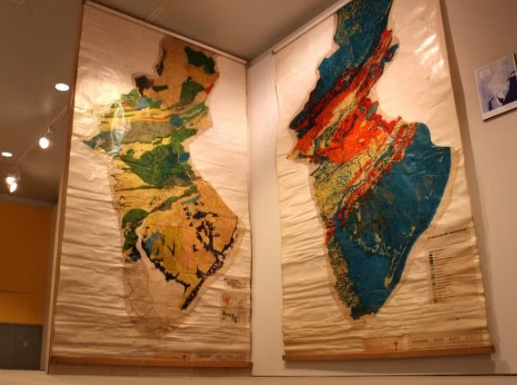
McHarg developed innovative methodologies that united landscape architecture and ecology, allowing for more informed land-use planning. One notable technique he popularized is the overlay method, which involves stacking multiple layers of environmental data such as hydrology, topography, and vegetation to visualize potential impacts of human activity on the landscape. This layered approach allows planners to see how different factors interact and how they can influence each other.
An example of this methodology can be seen in the planning of urban parks. Designers can overlay maps showing residential areas with data about existing vegetation and wildlife habitats. This helps ensure that parks are not only beautiful but also ecologically beneficial, providing habitats for local species while offering recreational areas for residents.
-
- Learn to use GIS software for mapping and analysis.
-
- Practice overlay techniques to visualize multiple land-use scenarios.
-
- Consider both ecological and social factors in your planning decisions.
-
- Engage stakeholders to gather diverse perspectives and insights.
3. McHarg’s Legacy in Modern Practice
Ian McHarg’s legacy continues to influence contemporary landscape architecture and environmental planning. Many modern urban planners and ecologists apply his principles in projects around the globe, acknowledging the need for an integrative approach to design that respects natural systems. As climate change intensifies and urbanization increases, his work serves as a reminder of the importance of adaptive strategies in land use.
For example, cities like Portland, Oregon, have embraced McHarg’s ideology by creating ecologically focused urban designs that prioritize green spaces and biodiversity. Initiatives such as green roofs and urban forest programs are direct applications of his philosophies, aimed at enhancing ecosystem services while maintaining urban livability.
-
- Incorporate green infrastructure in urban designs.
-
- Advocate for policies that protect local ecosystems.
-
- Evaluate the long-term impact of land-use decisions.
-
- Stay updated on ecological research trends and methodologies.
By understanding the principles put forth by McHarg, we can create more sustainable landscapes that benefit both people and the environment. As individuals, we can contribute to these efforts by advocating for policies that respect ecological systems and promote innovative planning methods in our communities.
In conclusion, Ian McHarg’s contributions to landscape ecology offer a roadmap for sustainable planning today. By applying his methodologies and acknowledging the interconnectedness of our ecosystems, we can foster environments that thrive and support biodiversity. To take the next step, consider consulting professionals in landscape architecture or ecology to explore how these principles can be applied in your local contexts.