
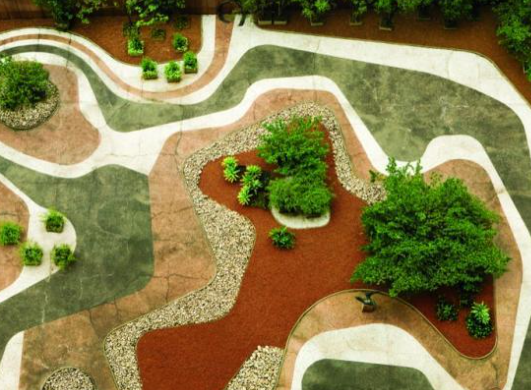
Modernism in contemporary landscape architecture marries innovative design with a focus on functionality and sustainability. This approach transforms outdoor spaces into not just aesthetic experiences but usable areas for community interaction, recreation, and environmental stewardship.
1. The Principles of Modernism in Landscape Design
At its core, modernism in landscape architecture is built on key principles such as simplicity, form follows function, and the use of new materials. Designers often embrace minimalism, reducing clutter in favor of clean lines and open spaces. For instance, the use of concrete and steel is popular in contemporary parks to create striking contrast with natural elements, enhancing both beauty and usability.
Another essential aspect is the integration of nature with human-made environments. Landscape architects now employ native plant species to promote biodiversity, encouraging local wildlife to thrive. A prime example is the High Line in New York City, which beautifully showcases how repurposing urban spaces can harmonize natural landscapes with urban settings.
-
- Understand basic modernist design principles.
-
- Incorporate natural elements with functionality.
-
- Focus on simplicity and practicality in layout.
-
- Utilize innovative materials like permeable paving.
2. Sustainable Practices in Modern Landscape Architecture
Sustainability is a cornerstone of modern landscape architecture, reflecting the increased awareness of environmental concerns. Techniques such as xeriscaping and rain gardens help reduce water consumption while enhancing aesthetic appeal. An outstanding instance of this is the landscape design of the California Academy of Sciences, which utilizes vegetation to manage rainwater effectively while providing habitat for various species.
Furthermore, landscape architects increasingly prioritize biodiversity through their plant selections and designs. Using native plants not only enhances beauty but also requires less maintenance and water, making them an eco-friendly choice. The incorporation of green roofs is a popular trend that transforms urban landscapes, adding greenery while improving thermal performance in buildings.
-
- Use native plants to promote local biodiversity.
-
- Design with climate resilience in mind.
-
- Implement water-saving technologies and practices.
-
- Consider the long-term sustainability of materials chosen.
3. Community Engagement and Urban Spaces
Modern landscape architecture aims to foster community interaction through thoughtfully designed public spaces. Creating parks and recreational areas encourages gathering and enhances the quality of life in communities. An excellent example can be found in the Millennium Park in Chicago, where art and nature merge to create spaces for relaxation and engagement.
Community involvement in the design process is crucial for addressing specific local needs. Landscape architects often host workshops to gather input, ensuring that the space serves its intended purpose effectively. This participatory approach not only enriches the design but also instills a sense of ownership and pride among residents.
-
- Engage with community members in the planning process.
-
- Design multifunctional spaces that accommodate various activities.
-
- Focus on accessibility for all demographics.
-
- Incorporate art and cultural elements that resonate with the community.
Modernism in contemporary landscape architecture focuses on merging aesthetic beauty with functional practicality and sustainability, creating spaces that enhance urban life. As we move forward, consider engaging with landscape professionals to help curate a design that fits your vision while promoting environmental stewardship. Your outdoor space can be both intentional and beautiful, a true reflection of modern values.