
Peter Walker has established himself as a prominent figure in the field of landscape architecture, particularly in the area of urban open spaces. His visionary approach emphasizes the importance of these spaces in enhancing urban life, fostering community interactions, and improving environmental sustainability. In this blog post, we will explore Walker’s contributions and the significance of thoughtfully designed urban open spaces.
1. The Philosophy Behind Urban Open Spaces
Peter Walker believes that urban open spaces are essential for creating vibrant communities. He argues that these spaces should not only provide recreational opportunities but also serve as venues for social gatherings and cultural events. For example, Walker’s design principles encourage the integration of natural elements, which helps to promote mental well-being and physical health among urban dwellers. By prioritizing accessibility and functionality, open spaces can enhance the quality of urban living.
Moreover, Walker emphasizes the role of urban open spaces in connecting people with nature. In densely populated areas, such spaces can offer a much-needed respite from the concrete jungle. His designs often incorporate native flora that requires less maintenance and sustains local wildlife, thus contributing to biodiversity. By blending natural habitats with urban environments, Walker’s work invites a balance that many cities are beginning to prioritize.
-
- Consider adding native plants to your local parks.
-
- Encourage community members to partake in design discussions.
-
- Incorporate artistic elements to enhance aesthetics.
-
- Ensure open spaces are easily accessible to all demographics.
-
- Organize regular events to foster community engagement.
2. Walker’s Notable Projects and Their Impact
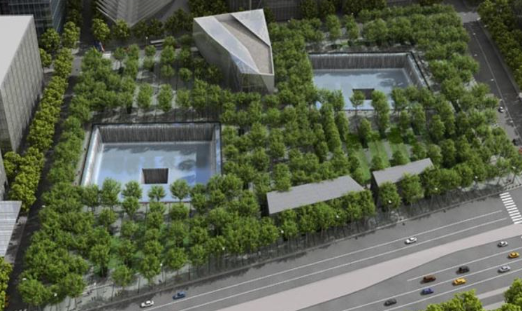
One significant project by Peter Walker is the National 9/11 Memorial in New York City. This open space was designed to provide a reflective environment for those who wish to honor and remember the victims of the tragedy. Walker incorporated water features that create a serene atmosphere, allowing visitors to contemplate and find solace amid the bustling city. The design fosters emotional connections, illustrating how open spaces can serve deeper societal purposes.
Another exemplary project is the landscape design for the University of California, Berkeley campus. Here, Walker focused on creating inviting and functional spaces that promote student interaction and relaxation. By integrating green areas with walking paths and social hubs, the campus layout encourages spontaneous gatherings among students. This project exemplifies how educational institutions can benefit from well-planned urban open spaces that contribute to academic life.
-
- Research successful urban open space projects for inspiration.
-
- Engage with stakeholders to understand unique community needs.
-
- Utilize sustainable materials and practices in open space designs.
-
- Document the impact of new designs for future reference.
-
- Incorporate feedback mechanisms to continually improve spaces.
3. The Future of Urban Open Spaces
As cities grow and evolve, the need for thoughtfully planned open spaces becomes increasingly crucial. Peter Walker advocates for integrating technology and innovative design markers to enhance these spaces. For instance, the use of interactive features such as digital art installations or outdoor fitness equipment can attract diverse population segments and encourage healthier lifestyles. The fusion of technology with nature in urban spaces opens new avenues for engagement.
Looking ahead, urban planners must consider climate change and its effects on community environments. Walker emphasizes the importance of resilience in design, proposing the incorporation of sustainable practices to mitigate environmental impact. Features like rain gardens and permeable pavements can enhance water management and biodiversity, proving beneficial for both nature and urban dwellers. This foresight ensures longevity and vitality in urban open spaces.
-
- Stay updated on trends in urban landscape architecture.
-
- Incorporate climate-resilient features in new designs.
-
- Foster community workshops to address local concerns.
-
- Use technology to enhance user experience in public spaces.
-
- Collaborate with environmental experts for sustainable practices.
In conclusion, Peter Walker’s influence on urban open spaces serves as a guiding framework for future developments. By prioritizing community engagement and sustainability, his designs offer a blueprint for enhancing urban life. Let’s start conversations in our communities about the kinds of spaces we want to create and advocate for thoughtful designs that benefit everyone.