
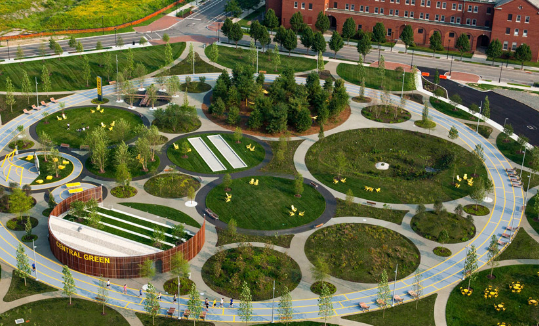
James Corner is a prominent figure in the field of landscape architecture, known for his innovative approach termed Landscape Urbanism. This concept integrates landscape design and urban planning in a cohesive way, emphasizing the interplay between natural and built environments. By understanding Corner’s work, we can appreciate the evolving role of landscapes in urban settings.
1. Understanding Landscape Urbanism
Landscape Urbanism is a theoretical framework and practice that seeks to redefine the relationship between urban planning and landscape architecture. This approach offers solutions to contemporary urban challenges by treating landscapes as essential components of urban systems rather than mere backdrops. By embedding green spaces within urban environments, it promotes ecological sustainability, biodiversity, and social interaction.
An excellent example of Landscape Urbanism in action is the High Line in New York City. This elevated park transformed a disused railway line into a vibrant green space that stimulates the local economy and enhances community well-being. The design not only serves as a recreational area but also provides habitats for wildlife, demonstrating how thoughtful integration can yield multifaceted benefits.
-
- Familiarize yourself with the principles of Landscape Urbanism.
-
- Explore case studies like the High Line for inspiration.
-
- Observe how green spaces can be incorporated into existing urban frameworks.
-
- Consider how current projects can adapt these principles.
2. James Corner’s Philosophy and Practice
James Corner’s philosophy revolves around the idea that landscapes should be dynamic entities capable of addressing social, environmental, and economic needs. His belief is that landscapes can be designed to foster connections among communities while enhancing ecological functions. This approach is grounded in the belief that well-designed landscapes can ultimately reshape urban experiences.
Corner’s work on projects like the Fresh Kills Park in Staten Island illustrates his vision effectively. Once a landfill, this area is being transformed into a spacious park that prioritizes biodiversity and recreational opportunities. The project highlights how landscape redesign can rehabilitate degraded sites, offering ecological restoration while serving the community’s needs.
-
- Learn about the importance of ecological functions in design.
-
- Look into the role of community engagement in landscape planning.
-
- Investigate projects where Corner has played a pivotal role.
-
- Understand how urban landscapes can support biodiversity.
3. The Impact of Landscape Urbanism on Modern Cities
Implementing Landscape Urbanism has a transformative potential for cities, encouraging a shift toward greener and more sustainable urban spaces. By prioritizing ecological health and quality of life, cities can mitigate urban heat, manage stormwater, and enhance overall livability. The focus on integrating natural systems within the urban fabric creates spaces that benefit both people and the environment.
One of the significant outcomes of the Landscape Urbanism movement is the revitalization of disused industrial areas. Projects such as the Atlanta BeltLine demonstrate how former rail corridors can become multi-use paths that support diverse forms of transportation, promote public health, and increase community cohesion. The success of such projects underscores the importance of a landscape approach to urban revitalization.
-
- Consider urban landscape initiatives in your city.
-
- Participate in community planning meetings to voice your opinions.
-
- Advocate for the integration of green spaces in urban development projects.
-
- Stay informed about sustainable practices in architecture and planning.
4. Future Trends in Landscape Urbanism
As cities continue to grow and evolve, the principles of Landscape Urbanism will likely play a crucial role in addressing upcoming challenges related to climate change and urbanization. The integration of technology in landscape design, such as green roofs and smart urban drainage systems, will become increasingly relevant. These innovations not only enhance visual appeal but also improve ecological functions and urban resilience.
Additionally, the concept of biophilic design—a movement that connects people with nature—aligns well with Landscape Urbanism. Creating environments that allow natural experiences will be integral to future urban development. This trend towards biophilia promotes mental well-being and encourages sustainable behaviors among urban inhabitants.
-
- Research technological advancements in landscape architecture.
-
- Stay updated on climate-resilient design practices.
-
- Engage with community discussions about future urban developments.
-
- Explore biophilic design principles and their applications.
Understanding James Corner and the principles of Landscape Urbanism can significantly influence how we envision and create our urban environments. Whether it’s through community engagement or sustainable design practices, each of us can contribute to shaping our cities for the better. If you’re inspired by these ideas, consider consulting with a professional landscape architect to explore how you can incorporate these principles into your community.