
James Corner’s innovative approach to landscape architecture challenges traditional views by emphasizing the dynamic and evolving nature of landscapes. In his theory, “Landscape as Process,” he explores how landscapes are not merely physical spaces but living entities shaped by a multitude of factors over time. This blog will delve into the key aspects of his theory and how they can be applied in landscape design.
1. Understanding the Concept of Landscape as Process
At its core, the concept of “landscape as process” encourages us to see landscapes as ongoing narratives rather than static entities. This means that landscapes are continually changing due to natural processes, human activities, and cultural influences. For example, think of a city park that transitions from a lively gathering space in the summer to a quiet retreat in the winter; each season brings different interactions and experiences that affect the landscape’s identity.
Moreover, this approach emphasizes the interconnectedness of ecosystems. A river’s flow can sculpt landforms while also impacting surrounding flora and fauna. Each element in the landscape works in concert, creating a web of influences. This perspective is critical for understanding how to maintain and design spaces that honor these evolving relationships rather than impose fixed structures.
-
- Always consider seasonal changes when designing landscapes.
-
- Engage with local ecosystems to understand natural dynamics.
-
- Recognize human impact as part of the landscape’s narrative.
-
- Involve community input to shape the landscape’s evolving story.
2. Applying James Corner’s Theory in Landscape Design
Applying Corner’s theory in landscape design involves focusing on processes over products. Instead of aiming for a completed design, landscape architects should embrace the idea that their work is just one part of the ongoing evolution of a space. This can lead to designs that are more adaptable and resilient, able to respond effectively to environmental changes. For instance, using permeable surfaces allows water to recharge the groundwater table rather than running off, creating healthier landscapes.
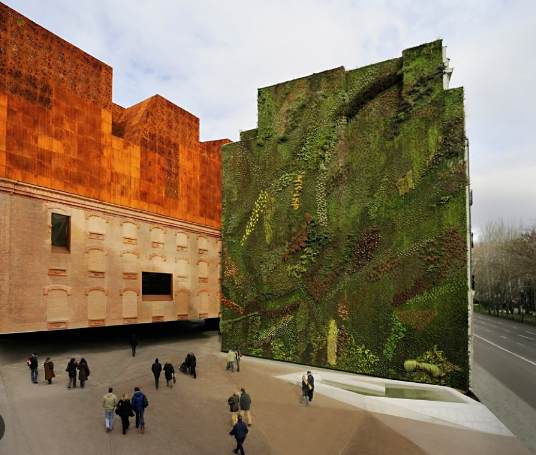
Designers can also incorporate elements that promote ecological growth. Innovative designs such as biophilic urbanism highlight the integration of nature into urban settings through the use of greenery. This enhances urban environments by fostering biodiversity and creating spaces that the community can connect with, thereby reinforcing the landscape’s ongoing narrative.
-
- Prioritize adaptable designs that can evolve over time.
-
- Incorporate natural elements that support local ecosystems.
-
- Use sustainable materials that reflect the local context.
-
- Consider how human activities can integrate into natural processes.
3. Case Studies Illustrating the Theory in Action
Real-world examples can help illuminate the depth of Corner’s theory. One notable case is the Fresh Kills Park in New York City, which transformed a former landfill into a vibrant public space. This project illustrates the landscape as a process—showcasing how layers of history, ecological restoration, and community involvement can culminate in a living landscape that tells a unique story over time.
Similarly, the High Line, also in New York, takes advantage of a repurposed elevated railway. This design approach reflects Corner’s principles by allowing the landscape to dictate the user experience. As visitors walk along the path, they witness changing vistas and interactions with various plant species that adapt to the urban setting, thereby embracing the idea that the landscape evolves with every season and every visitor.
-
- Research local case studies to inspire design choices.
-
- Analyze how other projects incorporate landscape processes.
-
- Observe how community involvement played a role in outcomes.
-
- Document changes in the landscape over time.
James Corner’s “Landscape as Process” theory offers a refreshing lens through which to view and engage with landscapes. By recognizing that landscapes are dynamic and continually evolving, designers can create more sustainable and enriching environments that respect and enhance their surroundings. Remember, whether you’re developing a significant project or a small garden, embracing processes over products can lead to innovative and meaningful outcomes.
To truly harness the power of landscape as a process, consider reaching out to professionals who specialize in this exciting approach. Engage in community discussions, and explore how your local landscape can be designed to reflect its ever-evolving narrative.