
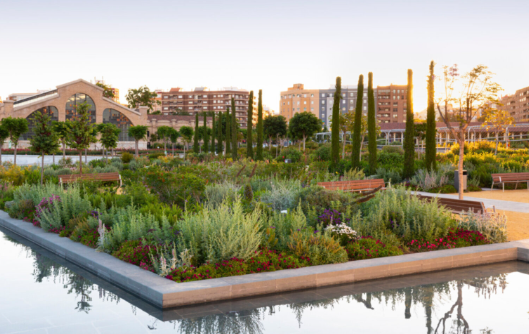
Kathryn Gustafson stands out as a remarkable landscape architect, recognized for her innovative designs that evoke emotional landscapes. Her work emphasizes the connection between human experience and the environment, creating spaces that not only foster beauty but also profound emotional responses.
1. Understanding Emotional Landscapes
Emotional landscapes refer to the way natural and built environments influence our feelings and mental states. Kathryn Gustafson’s approach to landscape architecture is not just about aesthetics; it’s about designing spaces that resonate emotionally with individuals. For instance, her designs often integrate elements that encourage contemplation, relaxation, and engagement with nature, providing an immersive experience.
One key aspect of Gustafson’s work is her ability to transform ordinary spaces into emotional havens. Take the Diana Memorial Fountain in London, for example. The design invites visitors to interact with water in soothing ways, creating a sense of calm and reflection. She understands that every detail, from the choice of materials to the layout, contributes to the overall emotional impact of a space.
-
- Reflect on how your surroundings make you feel.
-
- Spend time in various landscapes to see how they influence your mood.
-
- Consider incorporating calm colors and natural materials in your environment.
-
- Engage in mindful walking to enhance your emotional connection with spaces.
2. Highlighting the Principles of Gustafson’s Designs
Kathryn Gustafson employs several key principles in her design philosophy, focusing on the integration of nature and human emotion. One principle is the importance of fluidity and movement. Her designs often feature curves and organic shapes that encourage visitors to move through the space instinctively, fostering a sense of freedom and connection with nature.
Another vital principle is the use of sensory elements. Gustafson’s landscapes are designed to engage all five senses; the sound of water, the texture of plants, and the warmth of sunlight all contribute to the emotional experience. A great example is the Center for the Arts in Jackson Hole, Wyoming, where the landscape harmonizes with the architecture to create a holistic experience for both artists and visitors.
-
- Observe how paths and shapes influence movement in a landscape.
-
- Incorporate sensory elements such as sound and texture into your space.
-
- Encourage interaction with natural elements like water and plants.
-
- Design spaces that allow for both solitude and social interaction.
3. Creating Your Own Emotional Landscape
Incorporating Gustafson’s principles into your own surroundings can lead to a more emotionally uplifting environment. Begin by assessing your current space and identifying which areas evoke positive feelings or perhaps feel stagnant. Consider what changes you can make, whether that involves adding plants, water features, or simply rearranging furniture for a more open flow.
Moreover, think about how you can create transitional spaces that guide emotional journeys. This can involve using colors that inspire joy or comfort, or placing seating areas that encourage conversations. Gustafson beautifully exemplifies how these transitions can enhance our experiences, whether through public parks or private gardens.
-
- Evaluate your surroundings for emotional impact.
-
- Add elements that promote comfort, such as soft seating and art.
-
- Consider lighting options that adjust according to different activities.
-
- Incorporate greenery to bring a sense of nature indoors.
4. Learning from Gustafson’s Projects
Kathryn Gustafson’s notable projects provide valuable insights into creating emotional landscapes. The Bill & Melinda Gates Foundation’s headquarters in Seattle is one such iconic project, exemplifying how landscape architecture can reflect an organization’s mission. Here, Gustafson used native plants and natural materials to create a welcoming, serene environment that resonates with collective values.
Another inspiring project is the Landscape at the National Gallery of Art in Washington, D.C., where Gustafson skillfully merges history with modern design. This thoughtful integration enhances the visitor experience, inviting people to reflect on art and nature simultaneously. These projects showcase her unique ability to design landscapes that evoke specific emotions and societal reflections.
-
- Research Gustafson’s significant projects for inspiration.
-
- Consider how architecture and landscape can work together in your designs.
-
- Apply her principles of color, texture, and sensory experiences.
-
- Seek out local landscapes that resonate with you and analyze their emotional impact.
In conclusion, Kathryn Gustafson’s innovative approach to landscape architecture underscores the deep connection between environments and human emotions. By integrating her principles into your own spaces, you can foster an emotional landscape that uplifts and inspires. Why not take the first step today by reflecting on your environment and considering changes that resonate with you? Reach out to experts or explore more resources to begin your journey into creating emotionally enriching spaces.