
Kathryn Gustafson is a prominent landscape designer renowned for her innovative approach to public spaces. Her work emphasizes the harmonious blending of nature with urban environments, creating serene, functional areas that invite public engagement.
1. The Essence of Interaction
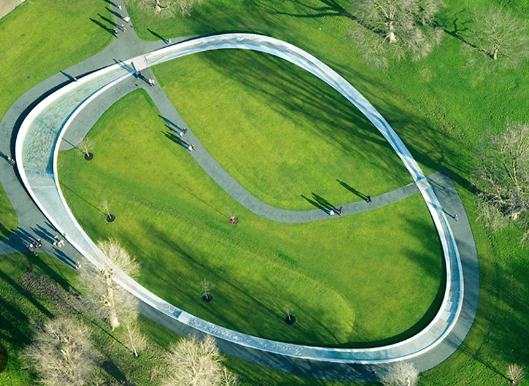
At the core of Kathryn Gustafson’s design philosophy is the idea that landscapes should foster interaction among people. She believes that outdoor spaces should not only be visually appealing but should also encourage community involvement. Gustafson’s projects, such as the Diana, Princess of Wales Memorial Fountain in London, exemplify this principle, as they are designed for visitors to engage directly with the environment through play and exploration.
This interaction is often facilitated by incorporating water features, seating areas, and communal spaces into her designs. For instance, in the landscaped areas of the Nelson-Atkins Museum in Kansas City, she utilized rolling hills and open lawns to create places where visitors can gather, relax, and appreciate art in an outdoor setting. This interaction transforms a simple visit into a memorable experience.
-
- Design communal spaces that promote gatherings.
-
- Incorporate interactive elements, such as water features.
-
- Ensure pathways encourage exploration and movement.
-
- Create seating areas that invite conversation.
2. Sustainability and Environmental Consciousness
Kathryn Gustafson is also a pioneer in sustainable landscape design, strongly advocating for eco-friendly practices within her works. She understands that landscapes should honor the ecological context they inhabit, incorporating native plants and sustainable materials. This not only preserves local biodiversity but also offers an authentic sense of place that resonates with visitors.
An example of this philosophy can be seen in the Bloomsbury Square redevelopment in London, where Gustafson integrated native flora to reduce the need for extensive irrigation and maintenance. These thoughtful choices promote not only aesthetic beauty but also ecological resilience, which is vital in the context of climate change and urbanization.
-
- Choose native plants that require less water and care.
-
- Utilize recycled and locally-sourced materials in design.
-
- Incorporate rain gardens or bioswales to manage runoff.
-
- Design for biodiversity to support local wildlife.
3. Creating Timelessness Through Modernity
Gustafson’s design philosophy emphasizes creating spaces that feel timeless, despite being rooted in modernism. She cleverly balances contemporary needs with the historic significance of a place, ensuring her designs age gracefully. For instance, her work on the Plaza of the Seattle Art Museum merges modern materials and styles with the historical context of the city, creating an evergreen relevance in urban design.
Her ability to weave together contemporary aesthetics with functional purpose can be seen in various projects where she employs a minimalist approach. This strategy not only ensures that the landscapes withstand changing design trends but also allows natural beauty to take center stage. Spaces designed with this foresight often become cultural landmarks, cherished by future generations.
-
- Incorporate elements that reflect local history and culture.
-
- Embrace minimalist designs to ensure lasting beauty.
-
- Utilize durable materials that withstand time.
-
- Encourage engagement with the space through thoughtful design.
In conclusion, Kathryn Gustafson’s design philosophy underscores the importance of interaction, sustainability, and timeless aesthetics in landscape architecture. By adopting these principles, whether you’re designing a personal garden or working on a large-scale urban project, you can create inviting spaces that resonate with people and respect the environment. Consider consulting with a professional to explore how these ideas can be applied to your own settings!