
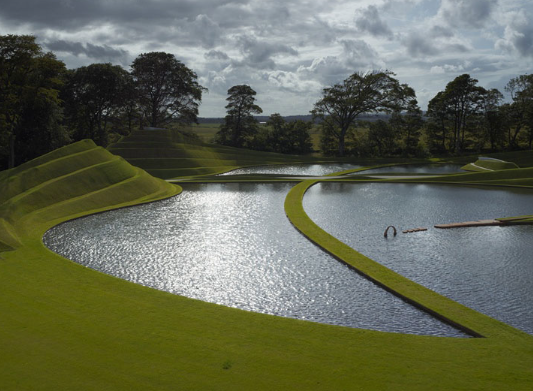
Sculptural landforms in landscape architecture not only enhance the aesthetic appeal of outdoor spaces but also serve practical functions that contribute to sustainability and ecological preservation. By integrating organic shapes and innovative designs, landscape architects can create environments that are both visually striking and functional. Let’s explore the significance and techniques behind sculptural landforms in landscape architecture.
1. The Role of Sculptural Landforms
Sculptural landforms play a vital role in shaping the identity of a landscape. They create focal points that can draw attention and inspire emotions in visitors. For example, the gentle curves of a hill or the jagged edges of rock formations can evoke feelings of serenity or dynamism. Furthermore, these landforms can guide movement and provide natural pathways through gardens and parks, enhancing the user experience.
Additionally, sculptural landforms can facilitate environmental processes such as water management and soil conservation. By manipulating the topography, landscape architects can direct rainfall runoff, reduce soil erosion, and create habitats for wildlife. An excellent example of this is the rain gardens designed with sunken beds that not only capture runoff but also provide vibrant floral displays.
-
- Consider the emotional impact of shapes and curves.
-
- Ensure that landforms enhance both aesthetic and functional aspects of the design.
-
- Incorporate elements that promote sustainability, such as drainage and habitat creation.
-
- Use a variety of materials to define your landforms—stone, soil, and vegetation can all play a role.
2. Techniques for Designing Sculptural Landforms
Creating sculptural landforms requires a thoughtful approach to design and implementation. Landscape architects often begin by studying the existing topography and natural features of a site. Techniques such as grading and contouring allow for the transformation of flat land into dynamic and engaging shapes. Computer-aided design (CAD) tools can assist in visualizing these designs before they’re actualized, providing the client with a realistic view of the proposed landforms.
Fieldwork is also crucial; the approach to sculptural landforms involves not merely altering the land but engaging with it. Landscape architects often use excavation machinery to create the desired shapes, while also incorporating local geological materials to maintain a sense of place. This thoughtful integration highlights the importance of harmonizing with the existing landscape rather than dominating it.
-
- Utilize CAD software for detailed visual representations.
-
- Conduct site assessments to determine the most suitable interventions.
-
- Incorporate locally sourced materials to reinforce environmental integrity.
-
- Engage with the land through fieldwork to ensure a holistic design.
3. Maintenance and Sustainability
Once sculptural landforms have been established, ongoing maintenance is vital to their longevity and ecological function. Landscape architects often recommend a maintenance plan that includes regular inspections and seasonal care. Mulching, pruning, and irrigation systems should be part of the upkeep strategy to facilitate plant health and soil integrity around these landforms. This ensures that they not only remain beautiful but also continue to serve their environmental purpose.
Moreover, sustainable practices such as using native plants can contribute to reducing water consumption and minimizing pest issues. These plants tend to adapt better to local climates, leading to healthier ecosystems around the sculptural forms. Thus, choosing the right vegetation is crucial for both aesthetic and ecological reasons.
-
- Draft a comprehensive maintenance plan with seasonal checklists.
-
- Integrate native plants to ensure compatibility and sustainability.
-
- Monitor irrigation to avoid wastage and maintain plant health.
-
- Regularly assess the condition of the landforms for structural integrity.
Sculptural landforms encompass a rich blend of artistry and functionality in landscape architecture. By understanding their roles, design techniques, and maintenance strategies, landscape architects can create spaces that not only amaze the eye but also nurture the environment. Anyone interested in enhancing their outdoor spaces should consider consulting with a professional landscape architect to explore the full potential of sculptural landforms in their projects.