
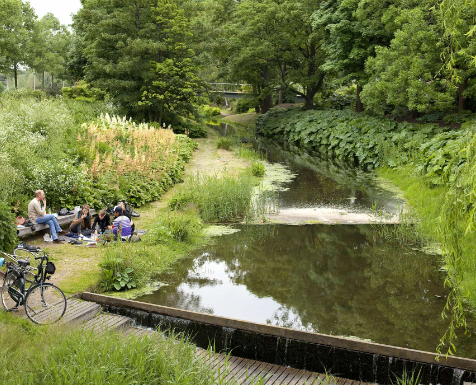
Gustafson’s landscapes are not just visual spaces; they are dynamic environments rich with human experience. These thoughtfully designed spaces invite visitors to explore, interact, and connect with nature and community in meaningful ways.
1. The Design Philosophy
At the heart of Gustafson’s work lies a profound philosophy of inclusivity and accessibility. By integrating natural ecosystems with human social spaces, Gusafson aims to create environments that resonate on multiple levels. For example, his use of native plant species not only enhances aesthetics but also supports local wildlife. This approach fosters a sense of stewardship among visitors, encouraging them to engage with and care for their surroundings.
Furthermore, Gustafson emphasizes the importance of sensory experiences in his landscapes. By incorporating different textures, scents, and sounds, he ensures that every visit is a unique experience. A stroll through his landscapes might highlight the rustling of leaves, the scent of blooming flowers, or the tranquility of water features. This multisensory engagement invites people of all ages to draw personal meaning from the environment around them.
-
- Explore local flora and fauna to enhance landscape design.
-
- Integrate varied textures and sounds to stimulate the senses.
-
- Ensure accessibility for people with different mobility levels.
-
- Consider how design can foster community interaction.
2. Community Engagement and Social Interaction
Gustafson’s landscapes serve as social hubs, encouraging community engagement. Public spaces designed by Gustafson often feature gathering areas that can host events, markets, or simple communal gatherings. This emphasis on interaction strengthens community bonds and transforms landscapes into living, breathing social ecosystems. For instance, a park designed by Gustafson might include an amphitheater for performances or open spaces for family picnics.
Moreover, public feedback is a pivotal part of the design process. Gustafson includes input from community members to ensure that the landscapes satisfy local needs and preferences. Workshops, surveys, and open forums provide platforms for residents to voice their ideas and visions. This collaborative approach not only improves the end result but also instills a sense of ownership and pride among community members.
-
- Host community workshops for input on designs.
-
- Encourage local events to take advantage of public spaces.
-
- Create flexible areas that can accommodate various activities.
-
- Build features that promote safe social interaction.
3. Environmental Stewardship and Health Benefits
In addition to fostering community interaction, Gustafson’s landscapes focus heavily on environmental stewardship. By choosing sustainable materials and native plant species, these designs aim to reduce ecological footprints while enhancing biodiversity. This commitment to sustainability resonates with environmentally conscious visitors, allowing them to connect with nature authentically.
Moreover, spending time in such thoughtfully designed landscapes has been shown to have numerous health benefits. Green spaces have been linked to lower stress levels, improved mood, and even enhanced cognitive function. Whether it’s a jog through a tree-lined path or simply relaxing by a pond, the activities that Gustafson’s landscapes promote contribute to overall well-being in the community.
-
- Choose sustainable materials for landscape projects.
-
- Implement rain gardens to manage stormwater effectively.
-
- Encourage physical activities like walking or cycling in designed spaces.
-
- Incorporate habitats that support local wildlife.
Gustafson’s landscapes are not merely places to smell the flowers or take beautiful photos; they are vibrant spaces that encapsulate the human experience. Through thoughtful design, community engagement, and a commitment to sustainability, these environments enrich our lives. As you explore or interact with such landscapes, consider how they resonate with your own experiences and how you might contribute to the ongoing narrative of these spaces.