
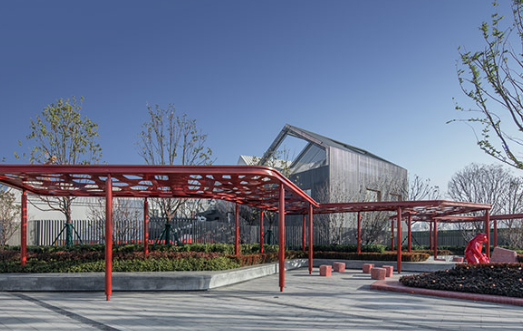
Landscape architecture is often perceived as merely the design of parks and gardens; however, it encompasses much more than that. It is a social art that combines creativity, environmental stewardship, and community engagement to create spaces that enhance the quality of life for everyone. This blog explores how landscape architecture plays a vital role in shaping our social environments.
1. The Role of Community in Landscape Design
Community input is essential in landscape architecture, as it ensures that the designs cater to the needs and preferences of the people who will use the space. Engaging community members can lead to a design that resonates with their values and way of life. For instance, when designing a new public park, landscape architects often hold workshops or social gatherings to solicit ideas and concerns from locals. This not only fosters a sense of ownership but also results in a design that reflects the community’s unique character.
One example of successful community engagement is the High Line in New York City. Once a neglected industrial railway, community advocates collaborated with landscape architects to transform it into a vibrant urban park. The project not only beautified the area but also garnered grassroots support and increased local property values, illustrating how community-driven landscape architecture can foster both social and economic benefits.
-
- Conduct community surveys to assess needs and preferences.
-
- Host design charrettes to brainstorm ideas with locals.
-
- Incorporate community feedback into design plans.
-
- Highlight historical or cultural elements in the design.
2. Environmental and Social Sustainability
Landscape architecture promotes environmental and social sustainability by integrating natural elements into urban settings. By prioritizing native plants, low-impact materials, and green spaces, landscape architects contribute to biodiversity and ecological balance. For example, rain gardens and bioswales are designed to manage stormwater runoff, thereby reducing flooding and improving water quality while providing aesthetic value to the community.
Moreover, sustainable landscape architecture is not just about the environment; it also enhances social connections. Green spaces serve as communal hubs where people can gather, interact, and engage in recreational activities. A well-designed landscape can effectively reduce urban heat, improve air quality, and promote physical and mental health, making it beneficial for society as a whole.
-
- Use native plants to support local ecosystems.
-
- Implement water-saving landscaping techniques.
-
- Design multifunctional spaces that foster community interactions.
-
- Promote responsible maintenance practices for sustainability.
3. Therapeutic Landscapes and Well-Being
Therapeutic landscapes are designed with the specific intention of promoting health and well-being. These spaces often feature elements such as gardens, walking paths, and water features, all aimed at providing a calming environment. Research has shown that spending time in nature can reduce stress, lower blood pressure, and improve overall mental health. For instance, hospitals are increasingly incorporating healing gardens to help patients recover in a more tranquil setting.
One noteworthy example is the landscape design at Norway’s St. Olav’s Hospital, which includes green roofs and nature-integrated layouts. Studies have found that patients with access to therapeutic landscapes report lower anxiety and a quicker recovery rate. This illustrates the profound impact that intentional landscape architecture can have on individual well-being and reinforces the idea that these spaces are crucial for public health.
-
- Consider incorporating sensory elements like water and fragrant plants.
-
- Design paths that encourage walking and exercise.
-
- Create quiet zones for reflection and relaxation.
-
- Utilize natural materials to enhance the healing environment.
4. Cultural Expression Through Landscape Design
Landscape architecture offers a canvas for expressing cultural identity and heritage. By integrating local materials, traditional plants, and cultural symbols into their designs, landscape architects can create spaces that honor the histories and traditions of the community. This practice not only beautifies the landscape but also strengthens cultural ties and fosters pride among residents.
A striking example is the Japanese Friendship Garden in San Diego, which was designed to reflect traditional Japanese aesthetics and incorporates elements like koi ponds, stone lanterns, and blooming cherry trees. This type of landscape design not only provides a serene setting but also serves as a bridge between cultures, inviting visitors to learn and appreciate different heritages.
-
- Incorporate local art and historical references in designs.
-
- Use plants and materials that hold cultural significance.
-
- Design spaces that facilitate cultural celebrations and events.
-
- Collaborate with local artists for unique contributions.
In conclusion, landscape architecture is an art form that deeply intertwines community, environment, health, and culture. The designs crafted by landscape architects not only beautify spaces but also foster social connections and promote sustainability. If you’re interested in enhancing a communal space or simply wish to create a more inviting environment, consider consulting with a landscape architect to bring your vision to life.