
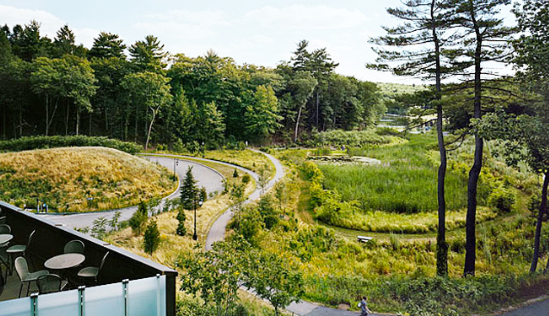
The transformation of urban spaces from traditional parks to infrastructure landscapes is a notable trend in contemporary city planning. This shift reflects changing societal needs, environmental considerations, and a desire for functional yet aesthetically pleasing public spaces.
1. Understanding Infrastructure Landscapes
Infrastructure landscapes blend natural elements with urban infrastructure, promoting a more integrated environmental approach. Unlike conventional parks, which focus primarily on recreational space, infrastructure landscapes include features such as green roofs, sustainable drainage systems, and multifunctional pathways. This shift aims to create spaces that support both recreation and essential urban functions like stormwater management.
For example, the High Line in New York City illustrates this concept effectively. It’s a repurposed elevated railway transformed into a linear park that incorporates native plants, seating areas, and art installations. It serves as a vital green space while also enhancing the urban environment’s resilience to climate change, showcasing how infrastructure can be utilized creatively.
-
- Research existing infrastructure landscapes in your area.
-
- Evaluate how they integrate sustainability and usage.
-
- Consider what elements could be added or improved.
-
- Think about community needs and desires for green spaces.
2. Benefits of Infrastructure Landscapes
The benefits of infrastructure landscapes extend beyond aesthetic appeal. They contribute significantly to urban ecology by improving air quality, reducing heat islands, and managing stormwater effectively. By incorporating greenery and water systems, cities become more resilient to weather extremes, enhancing public health and comfort.
Moreover, these landscapes foster social interactions by creating spaces for community gatherings and events. They encourage active lifestyles through walkable paths and bike lanes, promoting physical activity among residents. A good example can be seen in the 606 Trail in Chicago, where a disused rail line was transformed into a vibrant space for walking, biking, and meeting friends.
-
- Identify local examples of infrastructure landscapes.
-
- Assess their impact on community health and well-being.
-
- Engage with civic groups to discuss further improvements.
-
- Participate in local events hosted in these landscapes.
3. Designing Effective Infrastructure Landscapes
When designing infrastructure landscapes, planners must prioritize usability and sustainability. It is vital to engage community members in the design process to ensure that the features meet local needs, preferences, and expectations. Effective designs should also include a variety of spaces that cater to diverse activities, ensuring inclusivity for all age groups.
In practical terms, this could mean integrating shaded areas, seating, and distinct zones for play, exercise, and relaxation. Cities like Singapore have taken significant strides in this direction, creating interconnected green corridors that not only beautify the city but also enhance biodiversity and ecological functions.
-
- Involve local communities in the design process.
-
- Incorporate a variety of functions to address different needs.
-
- Use native plants to enhance local biodiversity.
-
- Ensure accessibility for individuals with disabilities.
Overall, the shift from traditional parks to infrastructure landscapes is an exciting evolution in urban design. By blending nature with urban needs, cities can create more adaptable, beneficial, and beautiful environments for their citizens. It’s time to embrace these innovative developments and advocate for more infrastructure landscapes in your community!