
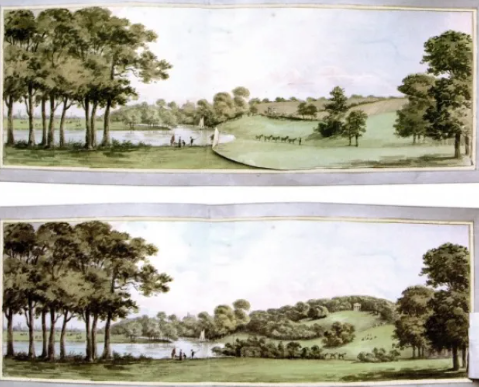
Landscape architecture is a field deeply intertwined with theory, and it shapes practice in myriad ways. Understanding how theoretical frameworks influence design can empower practitioners to create more thoughtful, sustainable landscapes. This blog post explores some essential theories that guide landscape practice today.
1. The Influence of Ecological Theory
Ecological theory focuses on the relationships between organisms and their environment, making it pivotal in landscape architecture. Practitioners often apply principles of ecology to create designs that not only look appealing but also support biodiversity. For example, designing with native plants, which are adapted to local conditions, can enhance ecosystem health while reducing maintenance costs.
By understanding ecological systems, landscape architects can design spaces that promote regeneration and sustainability. A well-crafted landscape that respects the ecosystem will mitigate erosion, promote water retention, and provide habitats for wildlife. This will not only produce functional landscapes but also enrich the community and its environment.
-
- Research local ecosystems to understand species interactions.
-
- Use native plants to reduce water consumption and maintenance.
-
- Implement rain gardens or bioswales for effective water management.
-
- Design spaces that attract beneficial insects and pollinators.
2. Cultural Theory in Landscape Design
Cultural theories consider the social and historical contexts of spaces, emphasizing the importance of community values and traditions in landscape design. By reflecting local culture, landscapes can foster a sense of belonging and identity. For instance, parks can incorporate community art or historical landmarks that resonate with local history, thus deepening connections among residents.
The application of cultural theory allows landscape architects to engage with the community through participatory design processes. This collaboration ensures that the landscape meets the needs and desires of its users. Not only does this enhance user satisfaction, but it also encourages stewardship, as people tend to care for spaces they helped to create.
-
- Hold community workshops to gather input on design ideas.
-
- Integrate local history through architecture or sculptures.
-
- Consider cultural festivals and events when planning public spaces.
-
- Test design concepts based on community feedback before finalizing.
3. The Role of Theories of Aesthetics in Landscape Design
The theories of aesthetics play a crucial role in defining beauty and appeal within landscape practice. Understanding elements such as balance, proportion, and unity can significantly enhance the visual impact of a landscape. A landscape that adheres to aesthetic principles can create emotional responses, drawing people in and inviting them to spend time in the space.
Furthermore, blending aesthetics with functional aspects of design can elevate a project from being mere landscaping to an inspiring environment. For example, creating a visually pleasing pathway can improve the flow of movement while encouraging exploration and discovery. This thoughtful integration transforms ordinary spaces into memorable experiences.
-
- Study classical and contemporary theories of aesthetics.
-
- Use grid systems or visual axes to guide the layout of design elements.
-
- Incorporate layers of plant textures and colors for visual interest.
-
- Experiment with different materials to create contrast and harmony.
4. Practical Implications of Behavioral Theory
Behavioral theory addresses how people interact with landscapes, influencing elements such as space utilization, accessibility, and safety. Understanding behavioral patterns can lead to more effective design solutions that improve user experience. For example, observing how people navigate through parks can help in placing pathways, seating areas, and activity zones optimally.
Applying behavioral theory can help create inclusive spaces that cater to diverse user groups, including children, the elderly, and individuals with disabilities. By designing landscapes that facilitate social interaction, practitioners can ensure that public spaces are not only functional but also vibrant and engaging.
-
- Conduct observational studies to understand user behaviors.
-
- Design for universal access to accommodate all users.
-
- Include seating areas in high-traffic locations for socializing.
-
- Utilize signage and wayfinding to enhance the experience.
In summary, the integration of various theories into landscape practice enriches design outcomes and fosters deeper connections between people and their environments. Whether you’re a professional or a passionate enthusiast, consider how these theoretical frameworks can enhance your understanding and approach to landscape architecture. Remember to engage with your community, respect the environment, and prioritize aesthetics for a truly impactful design.