
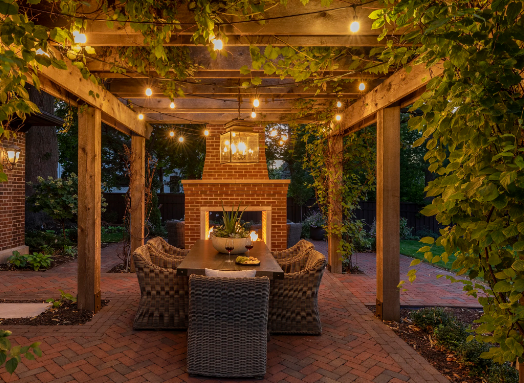
Landscape architecture combines art, science, and environmental stewardship, creating spaces that enhance our surroundings and improve quality of life. Drawing inspiration from masters in the field can provide timeless ideas that are applicable in projects today. This blog post explores essential principles and practices you can adopt from notable landscape architects.
1. The Importance of Contextual Design
One of the cornerstones of successful landscape architecture is contextual design, which means tailoring your work to the natural, cultural, and historical context of a site. Renowned landscape architect Frederick Law Olmsted emphasized the significance of understanding the landscape before making modifications. His work on Central Park in New York exemplifies how integrating elements from the existing environment can create a harmonious experience for users.
Contextual design not only honors the land but also enhances user experience by making spaces feel familiar and inviting. For instance, when designing a park, you could incorporate regional plant species that provide habitat for local wildlife while also catering to residents’ preferences for native flora. This approach helps foster a sense of community while allowing design to serve ecological functions.
-
- Conduct a thorough site analysis before beginning your design.
-
- Incorporate local materials and native plants to enhance the landscape’s authenticity.
-
- Study the cultural significance of the area to understand community values.
-
- Engage with local residents to gain insight into their needs and preferences.
2. Sustainable Practices for Modern Landscapes
Sustainability has become a buzzword in many industries, including landscape architecture, yet it is essential for long-term viability. Designers like Andreas Duany advocate for green practices, including the use of drought-resistant plants and efficient irrigation systems, which help us respond proactively to climate change. Integrating sustainability into landscape design can enhance resilience and reduce maintenance costs.
For example, consider creating rain gardens that manage stormwater runoff effectively while enhancing aesthetic appeal. By directing water from hard surfaces into these gardens, you can use plants that absorb excess moisture, thereby reducing urban flooding and enriching the local ecosystem. This holistic approach ensures that landscapes are not just beautiful, but also functional.
-
- Choose drought-tolerant and native plants to minimize water usage.
-
- Implement permeable surfaces to reduce runoff and promote groundwater recharge.
-
- Utilize reclaimed materials for pathways or other structures.
-
- Consider incorporating renewable energy sources, like solar lighting for pathways.
3. Emphasizing Community Interaction
Another timeless concept is the emphasis on creating spaces that encourage community interaction. Landscape architect Jan Gehl has advocated for designing urban spaces that prioritize social engagement, which creates vibrant public areas. His approach includes elements like seating areas, pedestrian pathways, and green spaces that facilitate gatherings. It’s about creating an environment where people want to spend time.
When designing a community park, for instance, consider adding versatile spaces that allow for various activities. Picnic areas, open lawns, and playgrounds offer families and individuals opportunities to interact, enhancing community cohesion. Ensuring good visibility and access encourages safety and invites people of all ages to participate in community life.
-
- Create multi-functional spaces that can accommodate different events and activities.
-
- Incorporate seating areas that encourage users to linger and socialize.
-
- Ensure the design promotes safety through visibility and accessibility.
-
- Host community forums to gather input on desired features in parks or public spaces.
4. The Role of Art in Landscape Architecture
Art adds depth and meaning to landscapes, a notion championed by landscape architects like Martha Schwartz. Her work frequently integrates artistic elements such as sculptural installations and vibrant plant selections, transforming functional spaces into immersive experiences. Art can evoke emotions and narratives, enriching how people relate to their surroundings.
Incorporating art into landscape projects can create focal points that enhance visual appeal and invite exploration. For example, consider using large-scale sculptures in a park that tell a story or represent the community’s heritage. Or, using colorfully planted beds along pathways can delight the senses and create an engaging atmosphere.
-
- Collaborate with local artists to incorporate unique designs or sculptures.
-
- Choose plants that offer seasonal variations in color and texture.
-
- Design spaces that encourage playful interaction with artistic elements (like a garden maze).
-
- Consider the scale and proportion of art pieces to ensure harmony with the surrounding landscape.
Embracing the timeless ideas from landscape architecture masters can elevate the quality of your design projects, echoing the wisdom of history while addressing contemporary needs. Consider consulting a professional or following these principles in your own landscaping efforts to create spaces that are not only beautiful but also functional and meaningful.