
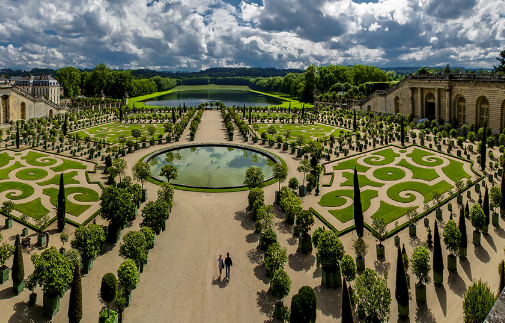
Learning landscape design from famous architects can significantly enhance your understanding and application of this intricate field. Renowned architects bring unique philosophies and creativity that can inspire personal projects, whether you are a novice gardener or a seasoned landscape designer.
1. Inspiration from Landscape Architecture Legends
Famous architects like Roberto Burle Marx and Frederick Law Olmsted have left an indelible mark on landscape architecture. Their approaches offer timeless principles that can be adapted to modern designs. For instance, Burle Marx’s use of native plants reflects a deep connection to the environment, and his bold plant combinations highlight a sense of artistry. Observing his work allows you to appreciate the landscape as both an ecological and artistic entity.
Olmsted’s projects, including Central Park in New York City, exemplify how landscapes can be designed to fit the natural topography while providing functional spaces for the community. By studying his vision of public parks, aspiring designers can learn how to integrate natural elements into community spaces, ensuring accessibility and recreation. This sense of purpose is crucial when designing landscapes that enhance the quality of life for people.
-
- Research famous landscape architects’ biographies and methods.
-
- Visit parks and public spaces designed by these architects to see their principles in action.
-
- Document your observations and feelings in a journal.
-
- Try to replicate elements of their designs in small personal projects.
2. Analyzing Design Elements and Techniques
Each landscape architect employs specific design elements and techniques to achieve their vision. For example, the effective use of color, texture, and form can transform a mundane outdoor space into a captivating one. Learning about these elements through the lens of various architects helps you understand their importance not just in aesthetics but in creating balance and harmony.
Using multi-layered plantings and varying heights enhances visual interest and creates depth in the landscape. Notable architects such as Peter Walker often utilize these methods, resulting in dynamic outdoor spaces. This understanding allows you to experiment safely with layers in your designs, providing both interest and ecological benefits.
-
- Practice identifying colors and textures that complement each other.
-
- Study how different plant heights offer various visual layers.
-
- Sketch your design ideas, focusing on these key elements.
-
- Consider the seasons and how they affect your chosen colors and textures.
3. Sustainability and Environmental Consciousness
Many famous landscape architects incorporate sustainable practices into their designs. Landscape architects like Andrea Cochran focus on ecological balance and biodiversity, showing the importance of native plants and materials. By understanding these principles, future designers can create environments that not only meet human needs but also support local ecosystems.
Integrating sustainable practices might include rain gardens, permeable pavements, and efficient irrigation systems. Architects such as James Corner emphasize these elements in their projects, showing that sustainability can be both functional and visually appealing. Learning these strategies not only benefits the environment but also enhances the overall aesthetic of your landscape.
-
- Choose native plants to reduce water usage and maintenance.
-
- Research sustainable materials for hardscaping, like recycled bricks and porous stones.
-
- Implement water-saving irrigation techniques in your designs.
-
- Educate yourself on local wildlife habitats when designing gardens.
4. Merging Cultural Influences and Local Contexts
Famous architects often reflect cultural influences in their works, showcasing how landscapes can convey stories or significance. For instance, Maya Lin’s Vietnam Veterans Memorial uses materials and forms that resonate deeply with the emotional landscape of those who visit. Understanding such cultural aspects can lead to a more profound connection between the landscape and its users.
Additionally, studying how architects consider local climates, geology, and social needs helps you appreciate the importance of context in landscape design. By incorporating local elements and respecting cultural backgrounds, you can create landscapes that resonate strongly with the community, making them cherished spaces.
-
- Explore local history and culture to inspire your designs.
-
- Consider incorporating elements that speak to local traditions or stories.
-
- Engage with the community to gather feedback and ideas.
-
- Visit diverse landscapes to understand the effects of local context on design.
5. Practical Application of Design Principles
Implementing lessons learned from famous architects into your projects can solidify your understanding of landscape design. Start with small, personal projects or community spaces to apply the principles you’ve gleaned. This hands-on approach will allow you to experiment, learn from mistakes, and ultimately refine your style.
Another effective method is to participate in workshops or take courses on landscape design. Many institutions and organizations offer modules focused on the techniques and philosophies of renowned architects, which can greatly enhance your skill set. Seeking mentorships or internships is also an excellent way to learn directly from experienced professionals in the field.
-
- Start a small garden project to apply design principles without overwhelming yourself.
-
- Participate in local workshops or landscape design courses.
-
- Seek mentorship opportunities to gain firsthand experience.
-
- Document your design process to track growth and progress.
By studying and applying the principles of famous architects, you can not only enhance your landscape design skills but also create spaces that connect with people and nature. As you embark on this journey, consider seeking guidance from professionals or joining a community of fellow design enthusiasts. Your adventure in landscape design awaits!