
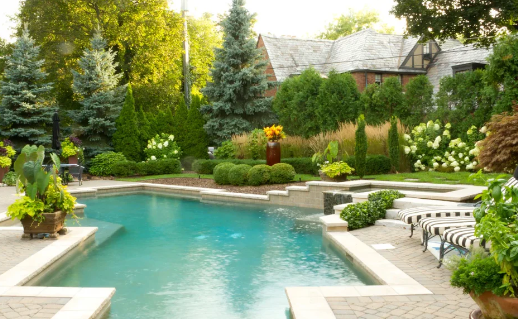
Landscape architecture plays a pivotal role in shaping our environment, providing not only aesthetic enhancements but also addressing pressing ecological and social challenges. In today’s rapidly urbanizing world, understanding the importance of landscape architecture becomes essential for fostering sustainable communities and improving our quality of life.
1. The Environmental Impact of Landscape Architecture
Landscape architecture significantly contributes to environmental sustainability by creating spaces that conserve natural resources. For instance, the use of native plant species in landscaping can reduce water consumption and support local biodiversity. This practice not only enhances ecological health but also helps in mitigating the effects of climate change, such as urban heat islands, through strategic tree planting and green roof initiatives.
Moreover, well-designed landscapes can manage stormwater more effectively. Implementing features like bioswales, rain gardens, and permeable paving can reduce runoff, improving water quality and decreasing the burden on municipal drainage systems. Cities like Chicago have successfully integrated such green infrastructure into their urban fabric, demonstrating the potential of landscape architecture in fostering resilience against climate impacts.
-
- Research native plants suitable for your region.
-
- Consider incorporating permeable surfaces in outdoor spaces.
-
- Utilize rainwater harvesting systems in landscape design.
-
- Implement ecological restoration projects in degraded areas.
2. Enhancing Community Well-Being Through Public Spaces
Landscape architecture is instrumental in designing public spaces that foster community interaction and social well-being. Parks, playgrounds, and urban plazas serve as essential gathering points, promoting physical and mental health. Studies have shown that well-designed green spaces reduce stress, enhance mood, and encourage physical activity among community members, making landscape architecture a vital element in urban planning.
Additionally, inclusive design principles in landscapes ensure that spaces are accessible to people of all ages and abilities. Features like sensory gardens for individuals with disabilities or community gardens that allow residents to engage in local food production can greatly enhance the social fabric of a neighborhood. Cities like Portland, Oregon, have leveraged landscape architecture to create diverse, inclusive environments that cater to various community needs.
-
- Encourage community input in public space design.
-
- Design for accessibility by considering different mobility needs.
-
- Create multifunctional spaces that serve various activities.
-
- Promote sustainable and local food initiatives through community gardens.
3. Economic Benefits of Thoughtful Landscape Design
Investing in landscape architecture not only enriches communities socially and environmentally but also yields significant economic benefits. Properties with professionally designed landscapes often increase in value, making them more appealing to buyers and renters alike. For instance, homes with well-maintained gardens and outdoor spaces typically sell for a higher price compared to those without such amenities, as people are increasingly seeking homes that offer a connection to nature.
Moreover, businesses can benefit greatly from aesthetically pleasing landscapes. Restaurants with outdoor seating in beautifully landscaped areas attract more customers, while office parks with landscaped environments can improve employee satisfaction and productivity. Numerous studies indicate that green spaces in commercial areas can lead to higher foot traffic and increased sales, proving that a good landscape can enhance the bottom line.
-
- Invest in professional landscape design for your property.
-
- Utilize low-maintenance landscaping to manage costs effectively.
-
- Enhance curb appeal through strategic planting and hardscaping.
-
- Incorporate outdoor amenities that attract foot traffic.
In conclusion, the significance of landscape architecture in today’s world cannot be overstated. By investing in thoughtful landscape design, we can create sustainable, inclusive, and economically vibrant communities. Whether you’re a homeowner, business owner, or city planner, consulting with a landscape architectural professional can pave the way for transformative changes in your environment.