
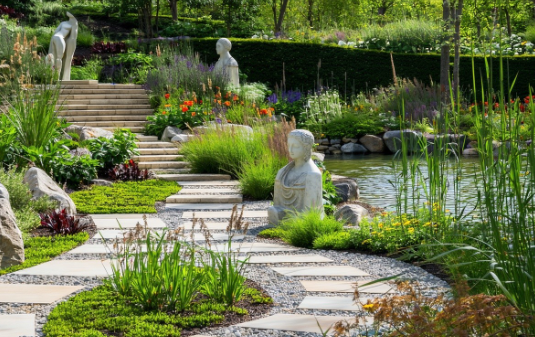
Landscape architecture is a unique discipline that intricately blends artistic expression with scientific principles. This synthesis creates environments that are both beautiful and functional, enhancing the quality of life for people while respecting ecological systems.
1. The Artistic Aspect of Landscape Architecture
Landscape architecture involves a deep understanding of aesthetics, which is essential for designing spaces that inspire and engage users. Artists in this field harness elements such as color, texture, and form to evoke emotions and create immersive experiences. Designers may draw from various artistic movements, borrowing techniques and philosophies to innovate and refine their projects, ensuring that landscapes resonate with cultural and social contexts.
For example, a park designed with inspiration from impressionist art may utilize vibrant color palettes and fluid shapes to create a dreamy atmosphere. Sculptures, water features, and plant arrangements serve both as functional elements and as visual focal points that elevate the overall experience of the space. Successful landscape architects often collaborate with artists to incorporate unique artistic installations into their designs, resulting in multifunctional environments that serve the community.
-
- Study various art styles to inspire landscape designs.
-
- Experiment with different materials and textures.
-
- Incorporate local art and culture into designs.
-
- Use color theory to enhance mood and functionality.
-
- Engage with artists for collaborative projects.
2. The Scientific Foundations of Landscape Architecture
While artistry is vital, the scientific principles behind landscape architecture cannot be overlooked. Understanding environmental science, horticulture, and engineering is crucial for creating sustainable landscapes. Landscape architects must consider soil types, water management, and native plant species to ensure the longevity and ecological health of their designs. This scientific knowledge helps mitigate issues such as flooding, soil erosion, and biodiversity loss.
A practical example of science in landscape architecture is low-impact development (LID). This approach uses natural systems to manage stormwater, featuring permeable surfaces and rain gardens that reduce runoff while providing aesthetic appeal. These functional strategies enable architects to craft spaces that are not only beautiful but also environmentally sound, promoting resilience against climate change.
-
- Conduct soil tests before planning a landscape.
-
- Use native plants to reduce maintenance and water use.
-
- Incorporate sustainable drainage solutions.
-
- Utilize technology for site analysis and planning.
-
- Monitor and adapt designs based on ecological changes.
3. The Balance Between Art and Science
Achieving the perfect balance between art and science is essential for successful landscape architecture. Projects that excel tend to harmonize visual appeal with ecological function, creating spaces that are enjoyable and sustainable. Landscape architects often employ a design process that includes brainstorming and testing ideas through models and prototypes, allowing for creative and scientific exploration. This iterative approach enables them to find creative solutions that respect ecological constraints while delivering exceptional design.
For instance, an urban plaza can integrate artistic seating arrangements and vibrant landscaping that attracts visitors while incorporating features like rainwater harvesting systems. This balance transforms the space into a multifunctional area that provides community enhancement, environmental protection, and aesthetic beauty. Ongoing evaluations and user feedback are crucial for improving future projects, ensuring that both artistic and scientific elements effectively meet the needs of users and the environment.
-
- Conduct design workshops that encourage diverse perspectives.
-
- Test design concepts through models or simulations.
-
- Balance aesthetic and functional requirements in design criteria.
-
- Gather feedback continuously from users post-installation.
-
- Stay informed about advancements in both art and science.
As we have explored, landscape architecture is a fascinating field that strategically intertwines art and science. Understanding both aspects allows landscape architects to create environments that are not only attractive but also sustainable and functional. Whether you’re a budding designer or a passionate enthusiast, consider exploring this vibrant discipline further and become actively involved in creating healthier landscapes.