
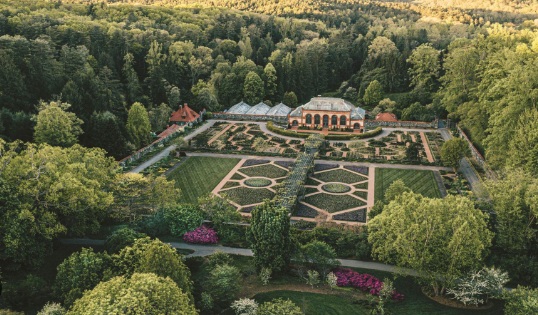
Frederick Law Olmsted, often regarded as the father of American landscape architecture, revolutionized urban park design with his holistic and thoughtful approach. His work laid the foundation for large urban parks that serve as essential green spaces for cities, enhancing both community life and the environment.
1. Principles of Landscape Design
Olmsted believed in the integral relationship between nature and urban environments. He emphasized the importance of incorporating natural features such as hills, water bodies, and vegetation into park designs. One exemplary project illustrating this principle is Central Park in New York City, where he transformed a barren landscape into a vibrant oasis by utilizing the area’s natural topography and resources.
His designs were not just about aesthetics; they were intended to promote health and wellbeing. Studies show that access to green spaces reduces stress and improves mental health, thus reinforcing Olmsted’s vision. By prioritizing nature in urban settings, he created spaces that invite relaxation, recreation, and social interaction.
-
- Consider natural terrain when designing parks.
-
- Incorporate water features to enhance tranquility.
-
- Utilize native plants to promote biodiversity.
-
- Design spaces for both active recreation and quiet reflection.
2. Community Engagement and Accessibility
Another key component of Olmsted’s park systems was community involvement. He believed that parks should be accessible to everyone, which meant considering the needs and wants of the local population during the design process. By holding public forums and engaging with community members, Olmsted ensured that his parks reflected the desires of those who would use them.
Accessible parks promote social interaction and inclusivity, encouraging people of all ages and abilities to enjoy them. In addition to designing pathways and facilities for diverse user groups, Olmsted’s parks often included spaces for sports, picnicking, and concerts, thus becoming central to community life. Parks like Golden Gate Park in San Francisco continue to serve as cultural hubs today.
-
- Engage community members early in the planning process.
-
- Make designs adaptable to various uses.
-
- Ensure easy access for all ages and abilities.
-
- Include spaces for cultural and community events.
3. Sustainability and Environmental Stewardship
Olmsted’s approach also paved the way for sustainable park designs. Understanding the interplay between human activity and the environment, he advocated for practices that ensure long-term ecological health. His designs often included natural drainage systems and sustainable landscaping practices, which not only enhanced beauty but also preserved environmental integrity.
Today’s urban parks continue to evolve under this principle of sustainability. Modern planners integrate green technologies, such as rain gardens and habitat restoration areas, to improve water quality and support wildlife. Parks designed with sustainability in mind foster a sense of environmental responsibility in urban populations.
-
- Incorporate sustainable landscaping practices in design.
-
- Use native plants to minimize maintenance and water use.
-
- Design with natural water management in mind.
-
- Plan for wildlife habitats within urban parks.
4. The Legacy of Olmsted’s Parks
The impact of Olmsted’s legacy is evident in cities across the United States and beyond. His park designs serve as a blueprint for modern urban parks, showcasing how thoughtful design can transform cities into livable, enjoyable spaces. Notable examples include Prospect Park in Brooklyn and the Emerald Necklace in Boston, both of which continue to thrive, offering residents and visitors breathtaking landscapes and recreational opportunities.
As urbanization increases and green spaces become more scarce, Olmsted’s vision remains relevant. His philosophy of integrating nature and community can guide city planners and landscape architects in developing new parks that meet contemporary needs while honoring the principles of sustainability, accessibility, and community engagement.
-
- Study existing urban parks for inspiration.
-
- Advocate for green spaces in city planning initiatives.
-
- Promote community involvement in park development.
-
- Evaluate the ecological impact of park designs.
In conclusion, Olmsted’s groundbreaking approach to urban park systems has profoundly influenced modern landscape architecture. By embracing his principles, current planners can create urban green spaces that not only beautify cities but also enrich the lives of their inhabitants. Consider connecting with a landscape architect or community group to explore ways to enhance the green spaces in your area.