
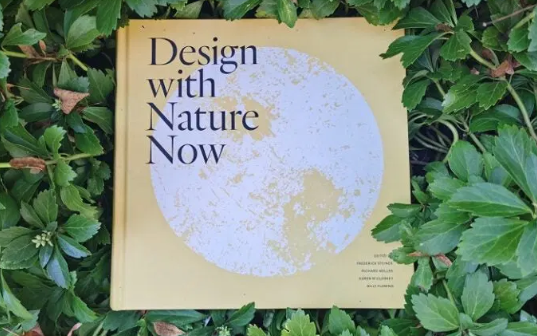
McHarg’s legacy in environmental planning is profound, redefining how we approach land use and resource management. His innovative methodologies and philosophies continue to influence today’s environmentalists, urban planners, and designers. In this blog post, we will explore key aspects of McHarg’s contributions and their practical implications in environmental planning today.
1. The Evolution of Ecological Planning
One of McHarg’s significant contributions is the integration of ecological principles into planning processes. He advocated for an approach where planners consider natural systems and local ecosystems when making decisions. This perspective encourages professionals to analyze land suitability and environmental impact, resulting in more sustainable practices. For instance, McHarg’s work emphasized the need for planners to assess watersheds before developing urban areas to reduce flooding and protect water quality.
Moreover, this evolution in ecological planning has led to the development of tools such as Geographic Information Systems (GIS), which help planners visualize spatial relationships and ecological impacts. By utilizing GIS, environmental planners can assess land use, identify sensitive habitats, and engage the community in meaningful conversations about environmental stewardship. This technology has significantly enriched the planning process by providing empirical data to support decision-making.
-
- Always analyze natural systems when considering new projects.
-
- Incorporate tools like GIS into your planning process.
-
- Engage with local communities to better understand ecological impacts.
-
- Use watershed analysis to assess potential flooding and ecological integrity.
-
- Encourage interdisciplinary collaboration among planners, ecological experts, and local governments.
2. The Importance of Public Engagement
McHarg was a pioneer in recognizing the value of public participation in environmental decision-making. He believed that plans should reflect the needs and voices of local communities, allowing citizens to shape their environment. Implementing public engagement strategies can significantly enhance trust and support for environmental plans, resulting in more successful outcomes. For example, incorporating community input into a park design project can lead to more relevant and meaningful green spaces that meet the needs of local residents.
Today, planners often use various methods for public engagement, such as workshops, surveys, and online platforms, to gather feedback and build consensus. By fostering open lines of communication, planners can ensure that the decisions made will resonate with the people directly affected by them. This collaborative approach can also help identify local knowledge and historical context that may be critical for implementing effective environmental solutions.
-
- Host workshops to gather insights from local communities.
-
- Utilize surveys for broader community input.
-
- Implement feedback loops to keep the community informed.
-
- Create online platforms for open dialogue and suggestions.
-
- Utilize local history and knowledge to inform planning decisions.
3. Integrating Design with Nature
Another cornerstone of McHarg’s philosophy is the integration of design and natural processes. He argued for a holistic approach, emphasizing that successful planning should harmonize built environments with their surrounding ecosystems. For instance, instead of merely constructing stormwater drains to manage water runoff, planners can incorporate green infrastructure strategies like bioswales or permeable pavements that promote natural drainage and improve water quality.
Modern designers and architects are increasingly adopting McHarg’s ethos by creating spaces that work with, rather than against, nature. One example is the restoration of urban rivers, where planners integrate green spaces around waterways, enhancing both ecological functions and recreational opportunities for residents. These strategies not only beautify urban areas but also create habitats for wildlife and improve city resilience against climate change impacts.
-
- Emphasize green infrastructure in your designs.
-
- Utilize native plants for landscaping to conserve local ecology.
-
- Incorporate features that enhance natural drainage in urban areas.
-
- Consider the ecological functions of the land when designing new projects.
-
- Promote restorative practices in river and wetland management.
In conclusion, McHarg’s enduring influence on environmental planning is evident in how we approach ecological integrity, public participation, and design integration today. As a next step, consider collaborating with local leaders and professionals to advocate for sustainable practices in your community or explore educational resources that can deepen your understanding of ecological planning.