
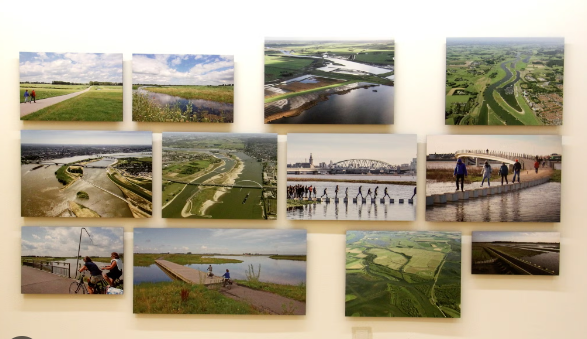
Ian McHarg, a pioneering landscape architect, revolutionized the way we approach design by integrating ecological considerations into the planning process. His innovative method of “mapping nature” enables designers and planners to visualize and analyze landscapes, fostering a harmonious relationship between built environments and their natural surroundings.
1. The Foundation of McHarg’s Philosophy
At the core of Ian McHarg’s design process is the belief that the environment should dictate the development of spaces, rather than the other way around. He introduced the concept of overlay mapping, a technique that allows planners to visualize various environmental factors, such as topography, water flow, and vegetation. By layering these maps, designers can make more informed decisions that prioritize ecological balance.
One of the most notable examples of this approach is the design of the environmentally sensitive areas in the region of Puerto Rico. McHarg identified critical areas that needed protection and worked with a variety of stakeholders to develop a plan that respected both the land and its inhabitants. This early project set a precedent for future developments, showing that ecological concerns and urban planning can coexist.
-
- Research local environmental factors before any design project.
-
- Utilize overlay mapping techniques to visualize multiple environmental variables.
-
- Involve community stakeholders in the planning process.
-
- Prioritize protection of critical habitats during project planning.
-
- Document the impact of proposed changes on existing ecosystems.
2. Practical Applications of Mapping Nature
Mapping nature is not just an abstract concept; it has practical applications that can significantly influence the design process. During his work in various urban planning projects, such as the Fairmount Park in Philadelphia, McHarg employed mapping to assess the land’s carrying capacity. This assessment helped to create spaces that not only fit the desired urban development but also maintained ecological integrity.
Moreover, McHarg’s approach has been influential in contemporary projects, such as the restoration of natural habitats in urban environments. Modern designers can apply McHarg’s principles by creating maps that highlight critical areas for conservation and leisure, helping to ensure that urban spaces benefit both residents and local wildlife.
-
- Conduct thorough ecological assessments before design implementation.
-
- Integrate green spaces into urban environments to enhance biodiversity.
-
- Use mapping to identify areas needing ecological restoration.
-
- Maintain flexibility in designs to adapt to ecological findings.
-
- Encourage public interaction with green spaces through educational programs.
3. The Future of Eco-centric Design
As global challenges such as climate change continue to intensify, the methods pioneered by McHarg are more relevant than ever. Today’s designers can harness advanced mapping technologies, including GIS (Geographic Information Systems), to create more dynamic and responsive designs. This technology allows for real-time analysis and visualization, enabling a deeper understanding of ecological impacts during the design process.
Furthermore, multi-disciplinary collaboration is essential for future eco-centric design. Engaging ecologists, urban planners, and the community ensures that various perspectives are addressed, leading to innovative solutions that prioritize sustainability. McHarg’s legacy encourages tomorrow’s designers to rethink their relationships with nature and embrace an integrated approach to landscape and urban planning.
-
- Explore advanced mapping technologies to enhance ecological analysis.
-
- Form multidisciplinary teams for holistic project planning.
-
- Stay updated on climate challenges to inform design choices.
-
- Foster community engagement for diverse insights and input.
-
- Consider future generations in all design decisions to promote sustainability.
In conclusion, Ian McHarg’s mapping techniques have paved the way for a more sustainable approach to design. By prioritizing nature in urban planning, we can create spaces that honor and preserve the environment. Take the initiative by exploring eco-friendly design strategies or consulting a professional who specializes in sustainable practices to implement these principles in your projects.