
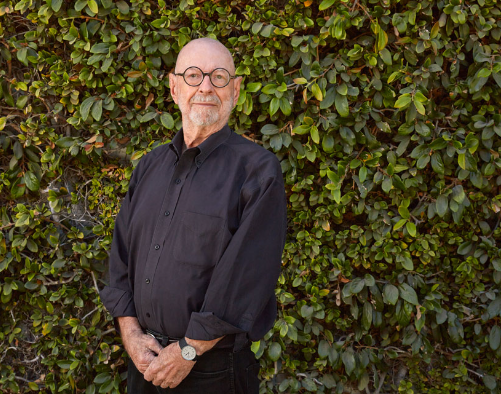
Peter Walker is a notable figure in the world of landscape architecture, recognized for his ability to harmonize landform with design. His philosophy emphasizes the importance of understanding landscape form as a discipline, paving the way for environmentally conscious and aesthetically pleasing spaces.
1. The Core Principles of Landscape Form
At the heart of Walker’s approach lies the understanding of landscape form, which encompasses how land is shaped and perceived. This includes analyzing topography, vegetation, and water elements to create cohesive designs that resonate with both the environment and human experience. For instance, in his work on the National 9/11 Memorial in New York City, he meticulously considered the emotional landscape of the site, integrating natural elements like trees and water features to foster reflection and remembrance.
This emphasis on form goes beyond mere aesthetics; it involves interpreting and enhancing existing landscapes to make them more functional and sustainable. By focusing on the three-dimensionality of space, Walker encourages landscape architects to think critically about the geographic, historical, and cultural narratives embedded within a site. This perspective transforms ordinary spaces into dynamic places that engage the senses.
-
- Study the site’s natural features and history to inform design decisions.
-
- Incorporate natural elements like trees, water, and varying topographies.
-
- Utilize texture and materials that resonate with the local environment.
-
- Design for engagement by considering human movement and interaction.
2. Techniques for Effective Landscape Design
Walker employs specific techniques to ensure that landscape form effectively serves its purpose. One critical method is layering, where different elements such as plants, hardscapes, and water bodies are combined to create visual interest and depth. For example, in his designs, you might see a combination of native plants layered with benches and walkways that guide movement while respecting the environment.
Another technique is to use axial alignments and focal points, which can draw visitors’ attention and enhance their experience of the space. This method takes advantage of sightlines, directing the viewer’s gaze towards specific features or views, effectively creating a narrative within the landscape. Utilizing these techniques can optimize visitor interactions, providing a memorable and cohesive aesthetic.
-
- Layer various landscape elements for visual complexity.
-
- Establish clear sightlines to guide and engage observers.
-
- Choose native plants that require less maintenance and support local wildlife.
-
- Incorporate seating and places for gathering to encourage social interaction.
3. Sustainability and Environmental Considerations
Sustainability forms a cornerstone of Walker’s philosophy, significantly influencing his design processes. He believes in creating landscapes that not only look beautiful but are also ecologically viable. This includes using native plants, reducing water runoff, and enhancing biodiversity. For instance, many of Walker’s projects deploy rain gardens and bioswales, which help manage stormwater and mitigate flooding while creating engaging landscapes.
Moreover, sustainability also extends to the materials used in construction. Walker advocates for using locally sourced materials to minimize transportation impacts and support local economies. By choosing durable, eco-friendly materials, landscape architects can design spaces that stand the test of time while being mindful of their environmental footprint.
-
- Opt for native plants that require minimal irrigation and maintenance.
-
- Implement water management solutions like rain gardens to manage stormwater.
-
- Choose locally sourced materials to reduce environmental impact.
-
- Design spaces that promote biodiversity through varied habitats.
Peter Walker’s insights into landscape form illustrate the profound relationship between design and the natural world. By understanding his principles and techniques, aspiring landscape architects can create spaces that are not only visually appealing but also ecologically responsible. Embracing these lessons will help advance sustainable practices in landscape architecture.
In conclusion, delve deeper into the discipline of landscape form and consider how you can apply these principles to your projects. Whether you are a professional or just an enthusiast, engaging with a landscape architect or starting a design project inspired by Walker’s philosophy could be your next step toward creating beautiful, sustainable spaces.