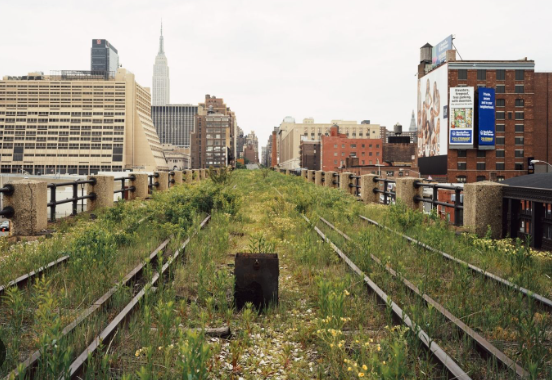
The High Line in New York City is more than just an elevated park; it stands as a beacon of urban renewal and environmental sustainability. Transforming an old freight rail line into a vibrant green space, the High Line offers a glimpse into how cities can balance nature, art, and community engagement in future developments.
1. The Concept of Green Urbanism
The High Line is a prime example of green urbanism, integrating nature within an urban setting. By repurposing an old railroad track into a lush, landscaped pathway, cities can reduce asphalt and concrete’s heat-absorbing surfaces, thereby lowering urban temperatures. This initiative not only improves air quality but also enhances biodiversity by providing habitats for local flora and fauna.
Implementing similar green spaces can help mitigate issues like stormwater runoff and urban flooding. For instance, the plants along the High Line absorb significant amounts of rainwater, reducing the load on city drainage systems. These concepts illustrate the importance of adapting parks and green infrastructure that can serve both aesthetic and ecological functions in urban areas.
-
- Evaluate existing urban spaces that could be repurposed into green parks.
-
- Engage community members in the design process to create inclusive spaces.
-
- Consider biodiversity when selecting plants for urban landscapes.
-
- Incorporate features that help manage stormwater effectively.
2. Community Involvement and Economic Impact
The creation of the High Line wasn’t just about beautification; it involved the community at every level. Local residents and stakeholders played a significant role in its conception and design, allowing their needs and desires to shape the project. This participatory approach has resulted in a beloved public space that reflects the character of its neighborhood, demonstrating the power of community involvement in urban planning.
A thriving public space like the High Line can catalyze economic growth. Studies show that areas surrounding the park have witnessed increased property values and an influx of new businesses. Local shops, restaurants, and art installations have thrived due to the foot traffic generated by park visitors, underscoring how thoughtful public spaces can enhance both community life and local economies.
-
- Host community meetings to gather input on urban projects.
-
- Foster partnerships between local businesses and city planners.
-
- Develop programs that encourage local artists to showcase their work.
-
- Regularly assess and respond to community feedback post-implementation.
3. Sustainability and Landscape Design
The High Line incorporates sustainable practices in its landscape design, showcasing how cities can promote environmental stewardship. Native plants, which require less maintenance and resources, dominate the park’s landscape, making it a prime example of ecological design. This not only conserves water but also minimizes the need for chemical fertilizers and pesticides, which can harm local ecosystems.
Furthermore, the High Line promotes walkability and public transport, aiming to reduce the carbon footprint associated with vehicle use. By designing cities where people can easily access green spaces without relying heavily on cars, we create healthier communities that prioritize walking and biking. Emphasizing such design elements can help future cities become greener and more sustainable.
-
- Incorporate native plants into urban landscaping for better sustainability.
-
- Design multi-use pathways to encourage walking and biking.
-
- Utilize sustainable materials in construction projects.
-
- Incorporate renewable energy sources in public space facilities.
4. Cultural Significance and Public Art
The High Line serves as a canvas for contemporary art and cultural expression, transforming an ordinary urban space into an outdoor gallery. Featuring various installations and exhibitions by local artists, it not only enriches the landscape but also creates a platform for cultural exchange. This aspect illustrates how public art can elevate communal spaces, sparking creativity and dialogue among visitors.
Cities can adopt this model by integrating art and cultural programs within their urban renewal projects. By creating spaces specifically designed for artistic expression, cities can enhance the cultural fabric of neighborhoods. This approach can also encourage tourism, as unique art installations can attract visitors, providing economic opportunities for local artists and businesses alike.
-
- Schedule regular art exhibitions to keep spaces dynamic and engaging.
-
- Collaborate with local artists for inclusive art projects.
-
- Encourage community involvement in creating public art installations.
-
- Utilize art as a tool for social commentary and community engagement.
In conclusion, the High Line offers valuable lessons on how to envision and design future cities that prioritize sustainability, community, and cultural vibrancy. By studying and implementing its innovative principles, we can create urban environments that not only benefit residents but also enhance the planet. It’s time to rethink our cities and advocate for green, inclusive, and artistic spaces that reflect who we are and who we aspire to be.