
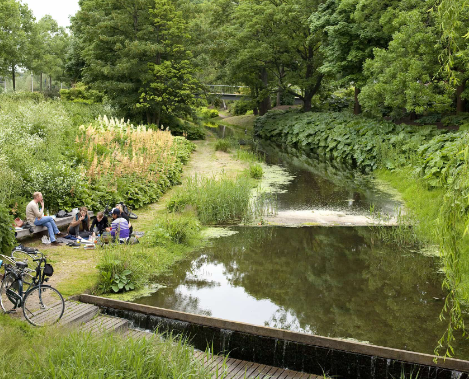
Kathryn Gustafson is a renowned landscape architect whose work beautifully intertwines art with nature, especially through the element of water. Her designs not only enhance the aesthetic appeal of spaces but also create meaningful interactions between people and their environments. In this blog post, we will explore the captivating intersection of Gustafson’s work and the fluid poetry of water, delving into how her designs foster a deep connection to this vital resource.
1. The Art of Water in Landscape Design
Water has a unique ability to evoke emotion, and Kathryn Gustafson harnesses this power expertly in her landscape designs. By integrating water features such as fountains, ponds, and reflective pools, she creates serene spaces that invite contemplation and interaction. For instance, her iconic work at the Diana, Princess of Wales Memorial Fountain in London is a perfect example, where the water flows continuously in a gentle, soothing rhythm, inviting visitors to engage with the space through touch and movement.
Moreover, Gustafson uses water to create microclimates within urban settings, enhancing biodiversity and providing a habitat for wildlife. Her approach shows how thoughtfully designed water features can counteract urban heat while offering an oasis for not just humans but also flora and fauna. By showcasing the artistry behind water features, she encourages urban planners and landscape architects to consider the environmental implications of their designs.
-
- Consider adding reflective pools or fountains to urban designs.
-
- Ensure that water features are interactive and encourage public engagement.
-
- Choose native plants around water features to enhance biodiversity.
-
- Design water features that create microclimates for residents.
-
- Incorporate natural materials that fit seamlessly with the landscape.
2. The Role of Water in Healing Spaces
Gustafson’s work also emphasizes the therapeutic qualities of water in landscape architecture. Research suggests that environments with water elements can significantly reduce stress and enhance well-being. By implementing calming water features, such as those seen in her design of the National World War I Memorial in Washington, D.C., she creates spaces where people can escape the hustle and bustle of city life and experience moments of tranquility.
Moreover, Gustafson’s designs promote the idea that water can play a crucial role in public health. By providing accessible and welcoming water areas, her projects can serve as community havens that encourage relaxation, social interaction, and a connection with nature—all of which contribute to improved mental health. This reflects her belief that water not only beautifies spaces but also enriches lives.
-
- Incorporate soothing water sounds to enhance relaxation.
-
- Design multifunctional spaces that encourage social interaction.
-
- Include shaded seating areas near water features for comfort.
-
- Use plants that attract birds and butterflies to enhance biodiversity.
-
- Consider the seasonal aspects of water for year-round enjoyment.
3. Sustainability in Water Features
In today’s world, sustainability is becoming increasingly important in landscape architecture, and Kathryn Gustafson is at the forefront of this movement. Her designs rarely waste water; instead, they emphasize efficient systems that enhance the ecosystem. Gustafson often incorporates rainwater harvesting systems and natural filtration processes into her projects, ensuring that water is not only used wisely but also reused effectively.
Sustainability also extends to the selection of materials and plants in her water-related designs. Gustafson tends to choose native plants that require less maintenance and irrigation, aligning her work with eco-friendly practices. By adopting these strategies, designers can create breathtaking yet sustainable spaces that resonate with the local environment and community needs.
-
- Utilize rainwater harvesting systems for water features.
-
- Choose native plants to reduce irrigation needs.
-
- Implement natural filtration systems to keep water clean.
-
- Design for water recycling and reuse throughout the site.
-
- Educate the community about the importance of sustainable practices.
In conclusion, Kathryn Gustafson’s masterful integration of water into her landscape architecture reflects a deep understanding of its poetic nature and multifaceted role in our lives. Whether it’s fostering emotional connections, promoting healing, or emphasizing sustainability, her designs serve as a source of inspiration. Consider exploring the potential of water in your own spaces and seek to create environments that offer beauty while enhancing your well-being.