
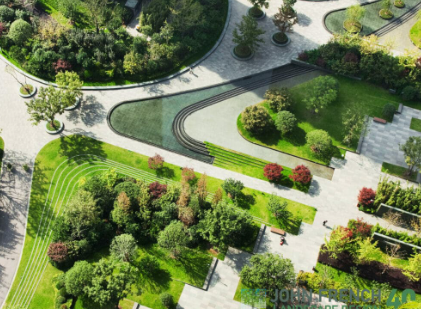
The harmonious relationship between landscape and architecture significantly influences our built environment. Understanding this connection not only enhances aesthetic appeal but also promotes functionality and sustainability in our surroundings.
1. The Importance of Context in Design
When architects design a building, they must consider the landscape around it to ensure harmony and proper integration. This involves analyzing the geographical, environmental, and cultural context of the site. For example, a home built in a coastal area may feature elevated platforms and large overhangs to combat flooding and direct sunlight. Understanding such factors helps designers create structures that are not only beautiful but also practical and resilient.
Moreover, different landscapes present unique challenges and opportunities. Urban settings, for instance, might require vertical design solutions due to space limitations, while rural landscapes might focus more on sprawling designs that suit the natural terrain. This contextual awareness allows architects to utilize local materials, minimizing the carbon footprint and blending the building seamlessly into the landscape.
-
- Conduct thorough site analysis: Understand the natural and social aspects of the landscape.
-
- Incorporate local materials: Use resources that are native to the area.
-
- Focus on sustainability: Design with environmental considerations in mind.
-
- Engage with the community: Communicate with local residents to better understand their needs and preferences.
2. Landscape Features that Influence Architecture
Numerous landscape features can heavily influence the architectural design process. For instance, the natural topography of a site can dictate whether a building needs a foundation that adapts to uneven ground or whether it can be built flat across a level area. Features like rivers or mountains might also inspire particular architectural forms that either echo the landscape’s contours or create a striking contrast for artistic effect.
Additionally, climate and vegetation play crucial roles in determining design elements. Buildings in cooler climates may incorporate large windows to maximize sunlight during the day, while structures in warmer areas often have terraces and overhangs to provide shade. Trees and other plant life can also be leveraged within design to create natural insulation and enhance the overall comfort of a building’s environment.
-
- Analyze terrain: Assess slopes and elevations to ensure proper design fit.
-
- Consider climate: Understand the impact of local weather on building features.
-
- Utilize existing vegetation: Integrate trees and plants into the design for benefits like shading and aesthetics.
-
- Incorporate water features: Use ponds or streams to enhance the visual appeal and environment around the building.
3. The Emotional Impact of Harmonious Design
The relationship between landscape and architecture extends beyond practicality; it also plays a significant role in the emotional response people have to a space. A well-integrated environment can create feelings of relaxation and happiness. For instance, parks that are thoughtfully designed with buildings in mind often provide a seamless transition from nature to urban environments, fostering a sense of community and belonging.
Furthermore, a visually stimulating design that harmonizes with the landscape can enhance the overall experience of a place, making it memorable and enjoyable. This is evident in many great architectural works, like the Guggenheim Museum in Bilbao, which gracefully interacts with the surrounding river and cityscape, inviting visitors to explore both the building and the landscape around it.
-
- Create inviting spaces: Design areas that encourage social interaction and relaxation.
-
- Focus on aesthetics: Use colors, materials, and forms that enhance emotional well-being.
-
- Implement natural elements: Incorporate water, greenery, and light to improve the atmosphere.
-
- Encourage accessibility: Ensure that everyone can interact with both architecture and landscape comfortably.
In conclusion, the relationship between landscape and architecture is multifaceted, affecting design, sustainability, and emotional experiences. By considering these elements, we can create spaces that are not only functional but also profoundly enriching. Take the next step by consulting a landscape architect or designer to explore how your space can be optimized for beauty and harmony.