
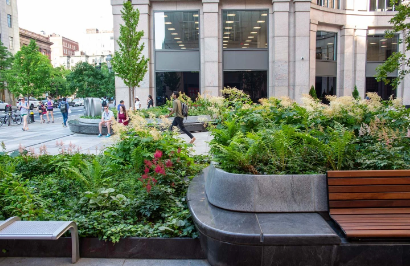
Landscape architecture plays a significant role in the long-term planning of urban areas. It not only enhances the aesthetic appeal of cities but also contributes to their sustainability, livability, and resilience against climate change. A well-thought-out landscape design can transform urban spaces into vibrant communities that support people and nature alike.
1. Integrating Green Spaces
One of the primary roles of landscape architecture in urban strategy is the integration of green spaces. Parks, gardens, and green roofs are essential for improving air quality, reducing urban heat, and providing habitats for wildlife. For example, New York City’s High Line park transformed an unused railway into a lush elevated green space, promoting biodiversity while offering residents a place to relax and engage with nature.
Moreover, urban green spaces foster social interaction and community engagement. They create venues for events, recreational activities, and family outings, helping to build stronger social ties. Cities like Barcelona have invested in creating accessible parks, leading to improved community cohesion and mental well-being among its residents.
-
- Assess available land for potential green space development.
-
- Involve community input in the design process.
-
- Consider multifunctionality (play areas, gardens, and wildlife habitats).
-
- Incorporate climate-resilient plant species.
-
- Ensure accessibility for people of all ages and abilities.
2. Sustainable Urban Drainage Systems (SuDS)
Sustainable urban drainage systems (SuDS) are vital elements of landscape architecture that manage stormwater in urban environments. By creating systems that mimic natural drainage, cities can reduce flooding and water pollution. For instance, in the city of Malmö, Sweden, SuDS have been implemented with green roofs and permeable pavements to absorb rainwater more efficiently, thereby minimizing runoff and promoting cleaner water bodies.
SuDS also enhance the aesthetic value of neighborhoods by integrating features like bioswales, rain gardens, and retention ponds. These elements not only alleviate flooding but also provide recreational spaces and increase property values. By adopting SuDS principles, cities can shift towards a more sustainable approach to urban water management.
-
- Conduct hydrological assessments to identify drainage issues.
-
- Incorporate public participation in SuDS design.
-
- Utilize native plants for natural filtration.
-
- Create educational programs about benefits of SuDS.
-
- Regularly monitor the effectiveness of implemented systems.
3. Climate Adaptation through Landscape Design
As climate change continues to impact urban environments, landscape architecture serves as a critical tool for climate adaptation. Design strategies can mitigate urban heat islands, improve flood resilience, and increase biodiversity. For example, cities like Chicago have adopted strategies like tree canopies and green walls to reduce ambient temperatures and improve air quality.
Moreover, effective landscape design also accommodates increased rainfalls and extreme weather events. Integrated designs that include permeable surfaces, elevated structures, and vegetation can help absorb excess rainfall. By anticipating climate-related challenges, urban planners can create resilient landscapes that support both human and ecological health.
-
- Initiate vulnerability assessments for climate impacts.
-
- Incorporate diverse plant species to enhance biodiversity.
-
- Use heat-resistant materials for pathways and structures.
-
- Develop adaptive management plans for landscape maintenance.
-
- Educate the public about the importance of resilient landscapes.
In summary, landscape architecture represents a profound opportunity for cities to evolve toward sustainability, resilience, and community well-being. By adopting innovative strategies for green spaces, drainage systems, and climate adaptation, urban areas can better serve their residents and the environment. Consider consulting with professional landscape architects or planners to help guide your community’s transformation.