
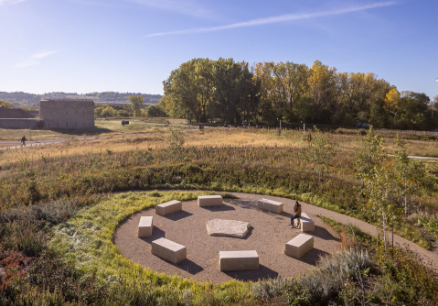
Designing public memory through landscape is a powerful approach to honor historical events, figures, and cultural narratives. By integrating memory into public spaces, communities can foster engagement and reflection, creating environments that tell stories and promote awareness.
1. Understanding the Role of Landscapes in Memory
Landscapes serve not just as backdrops but as participants in the storytelling of collective memory. They encapsulate specific moments and ideals, often functioning as visual reminders of history. For example, the rise of memorial parks or monuments within urban environments invites individuals to reflect on shared pasts, preserving narratives that might otherwise fade from public consciousness.
Public landscapes can also include parks, gardens, and streetscapes that dynamically engage with history. The National Mall in Washington, D.C. is a perfect example, where the layout and monuments evoke national identity and remembrance. These settings encourage visitors to participate directly with their surroundings, forging a personal connection to the history they represent.
-
- Identify local historical events worth commemorating.
-
- Involve community members in discussions about meaningful representations.
-
- Consider how space design impacts emotional engagement.
-
- Utilize flora and fauna to symbolize historical or cultural narratives.
2. Designing Landscapes for Community Engagement
Effective landscape design for public memory encourages community interaction and fosters a sense of belonging. Architecturally innovative spaces, interconnected with local histories, invite people to participate actively in their surroundings. For instance, community art installations and educational signage can not only inform but also inspire local pride and stewardship.
Moreover, interactive elements such as technology in public spaces can enhance engagement. QR codes linked to stories or augmented reality experiences related to specific events can create a more immersive learning environment. These strategies can bridge generational gaps, ensuring that reconciling with history remains relevant and engaging for all age groups.
-
- Incorporate local artists for unique, culturally relevant designs.
-
- Use technology to add layers of storytelling.
-
- Ensure accessible pathways for all demographics.
-
- Create spaces for community gatherings and events.
3. The Importance of Sustainability in Memory Design
Incorporating sustainability into the landscape design for public memory not only benefits the environment but also reinforces the value of preservation. Using native plants and materials can create spaces that reflect local character while maintaining ecological integrity. Sustainable design encourages long-term viability, helping communities retain their memory landscapes for generations to come.
Examples include the use of permeable paving for paths and rain gardens for stormwater management, which blend functionality with aesthetic appeal. Memorial gardens can be designed with drought-resistant plants, portraying a commitment to environmental stewardship that speaks to current and future audiences about preserving both memory and nature.
-
- Choose native and drought-resistant plants for resilience.
-
- Employ eco-friendly materials in landscape installations.
-
- Design for low maintenance to ensure longevity.
-
- Incorporate sustainable water management practices.
4. Engaging Diverse Perspectives in Memory Creation
Creating landscapes that honor public memory requires inclusivity. Engaging diverse community members helps reveal various narratives and perspectives, ensuring the design reflects a full spectrum of histories. Community workshops, public forums, and participatory design processes can generate insights that traditional methods might overlook, allowing everyone to contribute to the narrative.
Integrating various cultural elements—from architectural styles to symbolic artwork—can make a landscape resonate with a larger audience. For example, installations commemorating indigenous history can be supplemented with contemporary artistic expressions that keep those memories alive and relevant in today’s context, fostering dialogue across generations.
-
- Encourage diverse voices in planning discussions.
-
- Host workshops to gather community input and feedback.
-
- Recognize and include local cultural values in designs.
-
- Evaluate the impact of the design on all community demographics.
5. Evaluating Impact and Success in Memory Landscapes
Once a space is designed and implemented, evaluating its impact is crucial for understanding its effectiveness in conveying memory. Feedback mechanisms such as surveys, public forums, or even digital analytics can help measure community engagement and satisfaction levels over time. This assessment is not just about checking boxes; it is about enhancing the landscape for ongoing relevance and support.
Consider creating partnerships with universities and local organizations for conducting impact assessments. Regularly revisiting the landscape to determine if it meets its intended goals allows communities to adapt and improve ongoing memory initiatives, ensuring continued community investment and care.
-
- Set clear objectives for community engagement and educational goals.
-
- Develop a regular feedback collection process.
-
- Analyze visitor engagement to understand usage patterns.
-
- Use findings to inform future design considerations.
In conclusion, designing public memory through landscape is an enriching approach that engages communities and honors history. By integrating thoughtful designs, inclusive practices, and sustainable strategies, we create spaces that not only remember but also resonate with current and future generations. Now is the time to inspire change in your community; consider engaging with local professionals to create a lasting memory landscape.