
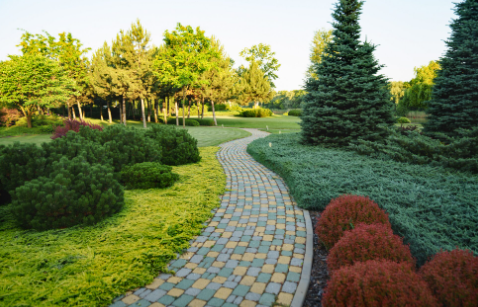
Landscape design is often viewed primarily as an art form, an opportunity for homeowners to create beauty in their outdoor spaces. However, practical insights reveal that the value of landscape design extends far beyond aesthetics, affecting environmental sustainability, community well-being, and even personal health.
1. Environmental Impact
One of the most significant benefits of thoughtful landscape design is its positive effect on the environment. For example, native plants require less water and maintenance compared to traditional landscapes filled with exotic species. By selecting the right plants for your climate, you can enhance local biodiversity and support pollinator populations, which are crucial for the ecosystem.
Moreover, landscape design can manage stormwater effectively, reducing flooding and soil erosion. Incorporating features such as rain gardens, permeable pavements, and bioswales allows rainwater to soak into the ground rather than running off into storm drains. This not only mitigates drainage issues but also replenishes groundwater supplies.
-
- Choose native plants suited to your climate.
-
- Incorporate rain gardens and bioswales to manage stormwater.
-
- Use permeable materials for driveways and walkways.
-
- Implement composting to enrich soil naturally.
2. Community Well-Being
Landscapes can also play a crucial role in the social fabric of communities. Community gardens, for instance, create spaces where neighbors can come together to grow food, share resources, and foster friendships. These communal green spaces enhance social ties, making communities more resilient and cohesive.
In urban areas, well-designed parks can reduce crime rates and promote physical activity. Studies have shown that access to green spaces leads to lower levels of stress, combatting the pressures associated with urban living. Investing in landscape design that includes walking trails, playgrounds, and seating areas contributes to a vibrant and safe community atmosphere.
-
- Support or establish community gardens in your area.
-
- Encourage local governments to invest in public parks.
-
- Participate in community clean-up events to enhance shared spaces.
-
- Advocate for accessible pathways that connect neighborhoods.
3. Personal Health and Well-Being
Beyond community benefits, personal well-being is another critical aspect that landscape design addresses. Research shows that spending time in nature can significantly improve mental health, reduce anxiety, and enhance mood. Landscape features like serene gardens, water elements, and vibrant flower beds can create a calming atmosphere that promotes relaxation and mindfulness.
Even small changes in a personal garden can have dramatic effects. Incorporating walking paths, meditation spaces, or a simple patio can motivate individuals to spend more time outdoors, thus boosting physical activity levels and improving health. These areas can serve as a retreat for contemplation, exercise, or socializing with friends and family.
-
- Designate quiet areas in your yard for relaxation.
-
- Create pathways to encourage walking and outdoor exploration.
-
- Include a variety of textures and colors for sensory engagement.
-
- Incorporate edible plants to foster a connection with fresh food.
In conclusion, landscape design is far more than a decorative choice; it serves as a powerful tool for environmental sustainability, community cohesion, and personal health. As you consider your own outdoor space, think about how these elements can be integrated into your landscape. Whether you choose to consult a professional or embark on a DIY project, the potential benefits for both yourself and your community are invaluable.