
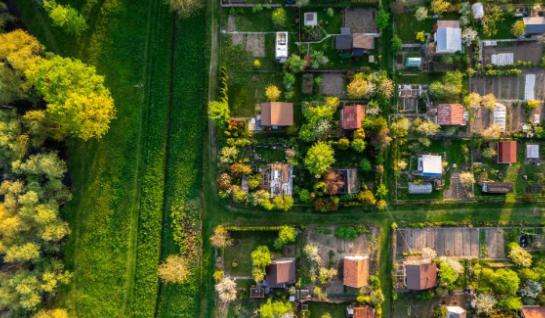
Urban resilience is increasingly recognized as a critical factor in enhancing the sustainability and livability of cities. As urban areas face challenges such as climate change, pollution, and population growth, the role of landscape in supporting resilience has become paramount. This post explores how thoughtful landscape design can significantly contribute to urban resilience.
1. The Importance of Green Infrastructure
Green infrastructure refers to a network of natural and semi-natural features that provide vital ecological benefits to urban areas. Examples include parks, green roofs, rain gardens, and urban forests, which absorb rainfall and reduce urban flooding. By promoting biodiversity and improving air quality, green infrastructure plays a key role in mitigating the urban heat island effect, which intensifies as more buildings and asphalt replace natural landscapes.
Moreover, green infrastructure helps in regulating local climates and creating spaces for community interaction. These green spaces not only improve the aesthetic value of urban areas but also contribute to mental well-being by providing residents with opportunities for recreation and relaxation. Incorporating green infrastructure into planning ensures that cities are flexible and better equipped to handle environmental stresses.
-
- Identify areas suitable for green spaces, like rooftops or vacant lots.
-
- Involve the community in landscape design to tailor spaces to their needs.
-
- Install permeable surfaces to enhance stormwater management.
-
- Regularly maintain green infrastructure to ensure its effectiveness.
2. Enhancing Biodiversity in Urban Landscapes
Creating habitats within urban landscapes is critical for ecological health and resilience. Urban areas often disrupt natural habitats, but strategic landscaping can undo some of that damage. Native plant species are particularly effective in attracting local wildlife, including pollinators such as bees and butterflies, which are vital for maintaining ecological balance. By designing landscapes with local flora, cities can create functional ecosystems that support diverse species.
Biodiversity in urban landscapes also contributes to resilience by enabling cities to withstand environmental changes. For instance, a community garden can serve as a local food source, while simultaneously acting as a biofilter for air and water pollutants. Furthermore, ecological corridors can be established to connect fragmented habitats, allowing species to migrate and adapt as climate conditions shift.
-
- Choose native plants that thrive in your local climate.
-
- Regularly assess plant health and replace any non-native species.
-
- Encourage citizen involvement in local environmental initiatives.
-
- Create habitats like birdhouses or bee hotels to enhance local biodiversity.
3. Mitigating Climate Change Through Landscape Design
Urban landscapes have a significant impact on mitigating the effects of climate change. Thoughtful design can help cities capture and store carbon emissions while reducing energy consumption. Trees and vegetation, for instance, can cool buildings and reduce reliance on air conditioning during hot weather. This not only lowers energy costs for residents but also decreases greenhouse gas emissions from power plants.
Furthermore, landscape features such as urban wetlands can provide natural solutions to manage stormwater and filter pollutants, safeguarding water quality even during intense weather events. Implementing green roofs and vertical gardens can also help enhance energy efficiency and reduce the building’s environmental footprint. Ultimately, integrating climate considerations into urban landscape planning is essential for a sustainable future.
-
- Incorporate trees in urban planning for natural cooling effects.
-
- Use xeriscaping to minimize water use in landscaping.
-
- Consider installing rainwater harvesting systems.
-
- Utilize natural materials to reduce carbon emissions during construction.
4. Promoting Social Cohesion Through Creative Landscaping
Landscapes can help build stronger communities by promoting social interaction and a sense of belonging. Well-designed public spaces, such as parks and plazas, become gathering spots where residents can engage with each other. These areas can host community events, markets, or festivals, fostering social ties among diverse groups. A vibrant urban landscape enhances residents’ quality of life by making neighborhoods more inviting and engaging.
Furthermore, inclusive landscape design considers the needs of people with disabilities, seniors, and children. Accessibility features—like ramps, wide pathways, and sensory gardens—make public spaces usable for everyone. By integrating different functionalities into urban landscapes, cities can create a sense of ownership among residents and cultivate community pride.
-
- Involve community members in the planning process.
-
- Design thoughtful layouts that consider accessibility for all.
-
- Organize local events to engage residents with their green spaces.
-
- Make use of art installations to enhance community identity.
In conclusion, investing in landscape design is essential for building urban resilience. By promoting green infrastructure, enhancing biodiversity, mitigating climate change, and encouraging social cohesion, cities can create thriving environments for current and future generations. Start by exploring local landscape initiatives, collaborating with community members, or consulting professionals to unlock the potential of your urban landscape.