
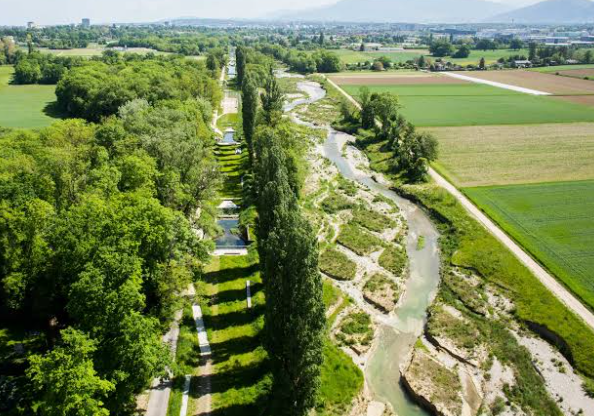
The design of Georges Descombes parks stands as a testament to the beauty and functionality of modern public spaces. These parks emphasize ecological balance and community engagement while fostering a deeper connection between nature and urban life.
1. Core Principles of Georges Descombes’ Design Aesthetic
Georges Descombes, a celebrated landscape architect, focuses on integrating natural elements with urban environments. His design philosophy revolves around creating spaces that not only serve recreational purposes but also enhance biodiversity. For example, parks designed by Descombes frequently incorporate native plant species to support local wildlife while requiring less maintenance.
Furthermore, the use of sustainable materials in park design is central to Descombes’ approach. This commitment to sustainability not only benefits the environment but also creates a sense of place that engages visitors. For instance, using permeable surfaces allows rainwater to recharge groundwater and minimizes runoff, promoting ecological health.
-
- Research the principles of sustainable design.
-
- Explore how native plants can be used in landscaping.
-
- Consider the balance between natural elements and urban functionality.
-
- Assess the importance of biodiversity in park spaces.
2. Innovative Features of Descombes’ Park Designs
Georges Descombes is known for incorporating innovative features into his park designs that create unique experiences for visitors. One notable element is the integration of varied topography, which encourages exploration and interaction. Parks that feature hills, valleys, and water bodies invite users to engage with their surroundings differently, promoting physical activity and environmental awareness.
Another hallmark of Descombes’ designs is the thoughtful placement of seating areas. These spaces are designed to foster social interactions and create small community hubs within the larger park. Benches, picnic tables, and shaded areas are strategically placed to encourage families, friends, and individuals to gather and enjoy their time outdoors.
-
- Incorporate varied topography to encourage exploration.
-
- Design social spaces to foster community interactions.
-
- Provide seating in areas with scenic views or significant activities.
-
- Ensure accessibility for all users, including differently-abled individuals.
3. Community Engagement in Park Development
Community involvement is a cornerstone of Georges Descombes’ park projects. He believes that parks should reflect the needs and desires of the local population, a principle that can transform a space from merely functional to truly beloved. By involving community stakeholders in the design process, parks can become vibrant social spaces tailored to serve the unique needs of the neighborhood.
Additionally, Descombes emphasizes the importance of ongoing community engagement even after the park’s opening. Hosting events, educational programs, and participatory planning sessions can ensure that the park continuously meets the changing needs of its users. This active involvement fosters a sense of ownership, encouraging individuals to care for and invest in their local green spaces.
-
- Conduct surveys to understand community needs and preferences.
-
- Host workshops that involve locals in the design process.
-
- Organize events to strengthen community ties and create shared experiences.
-
- Implement feedback mechanisms for ongoing community input.
4. Examples of Successful Park Projects by Descombes
Several of Georges Descombes’ projects exemplify his successful design philosophy. One prominent example is the ‘Parc des Franchises’ in Geneva, which features a variety of habitats that attract local wildlife while providing recreational opportunities for visitors. The park’s use of naturalistic design not only promotes ecological diversity but also creates picturesque vistas for users to enjoy.
Another notable project is the landscape design of the ‘Centre Sportif de la Praille.’ This park effectively integrates sports facilities within a lush environment, promoting an active lifestyle while retaining visual and ecological harmony. The thoughtful layout encourages visitors to participate in various activities, from sports to leisurely strolls, all amid beautifully designed natural surroundings.
-
- Visit local parks designed by Descombes for inspiration.
-
- Analyze the variety of features present in his projects.
-
- Engage with community members about their experiences in these parks.
-
- Consider how to adapt similar designs to your local environment.
Georges Descombes’ approach to park design reflects a profound understanding of nature, community, and sustainability. By studying his principles and practices, anyone can contribute to creating vibrant public spaces that enrich urban life. Whether you are a city planner, a landscape architect, or simply a park enthusiast, take the next step to explore these ideas further, perhaps by consulting a professional or volunteering for local park projects.