
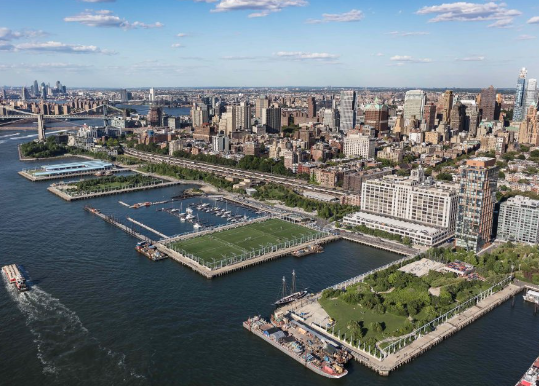
Michael Van Valkenburgh is a pivotal figure in the world of landscape architecture, renowned for his engaging and sustainable waterfront designs. His innovative approach intertwines natural elements with urban living, ultimately creating spaces that invite both tranquility and community interaction. This blog post will explore his signature style, notable projects, and key principles that guide his design philosophy.
1. Principles of Waterfront Design
Van Valkenburgh emphasizes accessibility, sustainability, and beauty in his waterfront designs. He focuses on creating spaces that are not only visually appealing but also functional and eco-friendly. This holistic approach ensures that waterfront areas serve various purposes—recreational, ecological, and social—inviting people to connect with nature and each other.
Key elements of his principles include the use of native plants, natural materials, and the restoration of local ecosystems. For instance, incorporating wetlands in urban landscapes can help with water filtration and flood management, while also providing habitat for wildlife. By designing with nature in mind, he creates resilient landscapes that withstand environmental challenges.
-
- Utilize native plants to promote biodiversity.
-
- Prioritize ecological restoration efforts in design.
-
- Incorporate natural materials like stone and wood.
-
- Ensure public accessibility through well-planned pathways.
-
- Create multifunctional spaces for both recreation and relaxation.
2. Notable Projects by Michael Van Valkenburgh
Among Van Valkenburgh’s noteworthy projects is the Brooklyn Bridge Park, which beautifully illustrates his waterfront design philosophy. Transforming an industrial site into a vibrant public park, this project integrates recreational areas with stunning waterfront views while fostering a sense of community cohesion. The park includes playgrounds, sports fields, and ample green space, thus serving various demographics from families to tourists.
Another significant project is the redesign of the Riverwalk in Chicago. This initiative actively connects the city to the waterfront, with walking and biking paths adorned with gardens and public art. It shows how urban landscapes can be revitalized and made more inviting, ensuring they are useful for both locals and visitors alike.
-
- Explore local waterfront designs for inspiration.
-
- Visit Brooklyn Bridge Park to experience the design elements firsthand.
-
- Learn about the community involvement in the Riverwalk project.
-
- Analyze the use of sustainable materials in major projects.
-
- Document your observations of how people interact in these spaces.
3. Sustainable Practices in Design
Van Valkenburgh is a firm advocate for incorporating sustainability into every project. He believes that designs should be environmentally responsible and efficient in resource usage. By employing techniques like rainwater harvesting and energy-efficient lighting, waterfronts can reduce their ecological footprint while enhancing user experience.
Moreover, he highlights the importance of engaging the local community in the design process. Input from residents creates a sense of ownership and ensures that the spaces meet the needs of those who use them. This participatory approach not only boosts sustainability but also enriches the design with diverse perspectives.
-
- Research eco-friendly materials for your projects.
-
- Engage locals through surveys or workshops.
-
- Consider water conservation techniques in design.
-
- Evaluate the environmental impact of construction processes.
-
- Integrate renewable energy sources where feasible.
In essence, Michael Van Valkenburgh’s waterfront designs are a blueprint for creating accessible, sustainable, and engaging spaces. By understanding and implementing his principles, you can inspire others to appreciate and invest in their local environments. If you’re interested in transforming a waterfront area, consider consulting a landscape architect to bring your vision to life!