
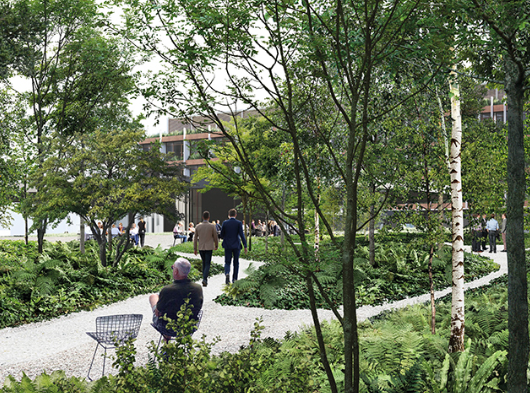
Michel Desvigne is a leading figure in the world of ecological landscape design. His work seamlessly blends modern aesthetics with sustainable practices, aiming to create landscapes that not only please the eye but also enhance biodiversity and promote environmental stewardship.
1. The Philosophy Behind Desvigne’s Work
At the core of Michel Desvigne’s philosophy is the idea that landscapes should be functional and ecological. He believes that a well-designed landscape can contribute to the preservation of natural ecosystems while providing recreational spaces for communities. Desvigne often emphasizes the importance of understanding local ecology, climate, and geography to create designs that are truly reflective of their environment.
For example, in his project for the “Cité internationale de la bande dessinée et de l’image” in Angoulême, he transformed an urban space into a vibrant area that respects local water systems and enhances wildlife movement. By integrating existing natural features into his designs, he sustains local flora and fauna while offering inhabitants a sense of place and connection to nature.
-
- Research local ecology to understand flora and fauna.
-
- Incorporate natural features into your designs.
-
- Consider climate change impacts on landscape design.
-
- Engage with the community to understand their needs.
2. Innovative Techniques in Ecological Design
Desvigne employs a variety of innovative techniques that break away from traditional landscaping methods. One notable approach is using native plants, which require less water and care while providing habitat for local wildlife. By minimizing the need for artificial irrigation and chemical fertilizers, his designs promote sustainability and help maintain local ecosystems.
Another technique he utilizes is the concept of “adaptive reuse,” where he repurposes existing materials and elements within the landscape. This could involve integrating old structures or incorporating local stone, seamlessly blending the old with the new. These practices reduce waste and contribute to a sense of history and character within a landscape.
-
- Use native plants to support local ecosystems.
-
- Incorporate adaptive reuse techniques in your projects.
-
- Reduce chemical usage by promoting biodiversity.
-
- Focus on water conservation through smart irrigation solutions.
3. Case Studies of Successful Projects
A prime example of Desvigne’s ecological practices can be witnessed in the “Parc des Chantiers” in Nantes. This project turned an industrial site into a thriving green space that not only serves the community but also provides vital habitats for wildlife. Extensive research went into the selection of plants and the layout to ensure minimal disturbance to the existing ecosystem.
Another significant project is his work on the “Parc de la Villette” in Paris. Here, he explored the balance between urban and natural environments, creating spaces that are multifunctional and publicly accessible. He introduced diverse landscapes that welcome various activities, from peaceful strolls to vibrant community events, all the while enhancing the urban biodiversity.
-
- Conduct thorough environmental assessments for each site.
-
- Engage local stakeholders in the project design.
-
- Focus on multifunctionality in landscape spaces.
-
- Use case studies as references for best practices.
4. The Future of Ecological Landscape Design
The future of ecological landscape design appears promising with increasing awareness around sustainability and biodiversity conservation. Designers like Michel Desvigne are leading the way in redefining what it means to create green spaces that work harmoniously with nature. With global challenges like climate change and urbanization, the necessity for innovative designs that anticipate and adapt to these changes is critical.
Emerging technologies, such as GIS mapping and drone surveying, are enhancing the ability to analyze landscapes better than ever before. These tools can provide insights into the existing ecosystems, enabling more informed design choices. As the conversation around ecological landscapes continues to evolve, collaboration between architects, ecologists, and urban planners will play a vital role in creating resilient spaces.
-
- Stay updated on technological advancements in landscape design.
-
- Collaborate across disciplines for holistic solutions.
-
- Advocate for policies that support ecological design.
-
- Educate communities about the benefits of sustainable landscapes.
Michel Desvigne’s ecological landscape practices offer insightful lessons in creating sustainable, community-focused spaces that enhance biodiversity. For anyone interested in landscape architecture, exploring his methods can provide valuable directions. Whether you are a professional or simply passionate about greenery, consider how you can integrate these concepts into your next project or community initiative.