
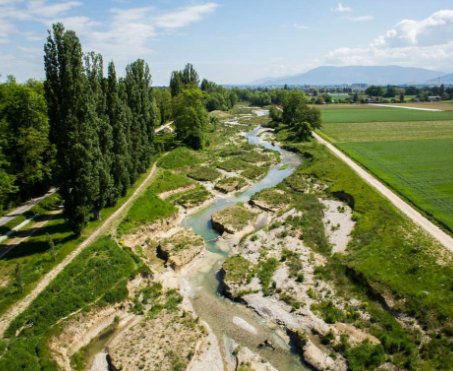
Georges Descombes is a renowned landscape architect known for his innovative concepts in urban park design. His projects transform urban spaces into vibrant, green environments that promote community interaction and well-being. By examining his work, we can gain valuable insights into the future of urban landscaping.
1. Connection to the Environment
Descombes emphasizes the importance of creating parks that foster a connection between people and nature. His designs often incorporate native plant species, which not only enhance biodiversity but also require less maintenance compared to exotic plants. For instance, his project in Switzerland showcases how integrating local flora can create habitats for wildlife, allowing residents to experience nature firsthand.
Moreover, Descombes’ designs often consider ecological stewardship as a vital principle. By integrating sustainable practices, such as rain gardens and green roofs, he ensures that urban parks contribute positively to the environment. This approach is beneficial for cities facing challenges related to urban heat, stormwater management, and habitat loss.
-
- Research native plants suitable for your area.
-
- Incorporate sustainable practices into your designs.
-
- Consider the ecological impact of each design decision.
-
- Engage local communities in shaping their green spaces.
-
- Utilize resources from local environmental organizations.
2. Enhancing Community Engagement
One of Descombes’ core philosophies is to create spaces that encourage community engagement. By designing multipurpose areas for events, play, and relaxation, he invites residents to interact in meaningful ways. His urban parks often feature amphitheaters, picnic areas, and walking paths, making them ideal for family gatherings and community events.
Furthermore, Descombes prioritizes inclusivity in his designs. He ensures that parks are accessible to all demographics, creating spaces that cater to different age groups and abilities. Examples of this dedication can be seen in features like sensory gardens that invite individuals with disabilities to engage with nature through various senses.
-
- Design multipurpose areas for community activities.
-
- Incorporate accessibility features in all park designs.
-
- Host community workshops to gather input on design elements.
-
- Promote events that encourage local involvement, such as clean-up days.
-
- Ensure safety and visibility in park layouts.
3. The Importance of Aesthetic Value
Aesthetic value is a crucial element in Descombes’ urban park projects. He understands that visual appeal can significantly enhance user experience and encourage higher usage rates. By incorporating features such as sculptures, unique pathways, and vibrant plant selections, Descombes creates picturesque landscapes that draw people in and make parks enjoyable spaces.
Additionally, he champions the integration of art and culture, bringing community narratives to life within park settings. This practice not only beautifies spaces but also cultivates a sense of pride among residents. In his projects, art installations often reflect local history, further deepening the connection between community members and their environment.
-
- Incorporate art and cultural elements into your designs.
-
- Focus on creating visually appealing spaces with unique features.
-
- Consider seasonal changes in plant selections for ongoing interest.
-
- Utilize landscaping to create different zones within a park.
-
- Collaborate with local artists to enrich the park’s aesthetic.
Georges Descombes’ approach to urban parks serves as an inspiration for communities and designers alike. His combination of environmental stewardship, community engagement, and aesthetic excellence can pave the way for the development of meaningful urban spaces. To take advantage of these insights, consider consulting a landscape professional to explore how these principles can be implemented in your local park designs or community projects.