
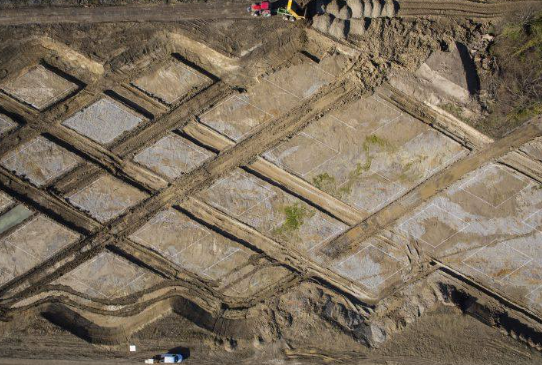
Georges Descombes is a renowned landscape designer whose innovative approach to creating harmonious outdoor spaces has left a lasting impact on the field of landscape architecture. This case study explores some of his significant design projects, highlighting his unique methodologies and the principles that guide his work.
1. Integration of Natural Elements
One of the defining features of Descombes’ work is his ability to blend natural elements with architectural structures. In projects such as the Campus de l’Université de Genève, he meticulously incorporated flora and water features to enhance the visual appeal and ecological balance of the space. He believes that landscapes should be more than mere decorations; they should function as an ecosystem that supports biodiversity.
This integration often involves selecting native plants that thrive in the local environment. By doing so, Descombes not only reduces maintenance costs but also creates spaces that resonate with the local culture and climate. His careful plant selection creates a vibrant atmosphere that changes with the seasons, inviting people to engage with their surroundings throughout the year.
-
- Consider native plants to enhance ecological balance.
-
- Incorporate water features to create tranquility.
-
- Focus on seasonal changes for year-round interest.
-
- Blend structures seamlessly with natural landscapes.
2. Community Engagement and Feedback
Descombes places a high value on community participation in the design process. When working on the Parc des Chênes in Switzerland, he organized workshops and discussions to gather feedback from the local residents. This collaborative approach ensures that the final design reflects the community’s needs and values, ultimately leading to a space that is well-loved and frequently used.
By engaging the public in the design process, Descombes fosters a sense of ownership and pride among community members. This not only increases the likelihood of the space being used and maintained, but it also cultivates social ties within the community. People are more likely to respect and care for spaces that they helped create, enhancing their connection to the environment.
-
- Organize community workshops to gather input.
-
- Encourage public feedback at various design stages.
-
- Incorporate culturally significant elements in design.
-
- Build community pride through local involvement.
3. Sustainable Practices and Materials
Another hallmark of Georges Descombes’ work is his commitment to sustainability. He emphasizes using eco-friendly materials and construction practices in projects to minimize the environmental impact. For example, in his design for the Pôle Numérique in Switzerland, he sourced local materials that required less transportation, thereby reducing carbon emissions associated with the project.
Descombes also advocates for design strategies that promote sustainability, like rainwater harvesting and permeable paving. These technologies not only benefit the environment but also create functional spaces that can handle heavy rainfall without flooding. By focusing on sustainability, he ensures that his designs not only serve people today but also preserve the environment for future generations.
-
- Choose locally-sourced materials to reduce emissions.
-
- Incorporate sustainable technologies in designs.
-
- Plan for efficient water management systems.
-
- Focus on reducing waste during the construction phase.
Georges Descombes’ work exemplifies how thoughtful landscape design can harmonize natural elements, foster community engagement, and embrace sustainability. His projects are more than just physical spaces; they are dynamic environments that enhance the quality of life. If you’re inspired by his approach, consider consulting a professional or starting your next landscaping project with the principles of integration, community, and sustainability in mind!