
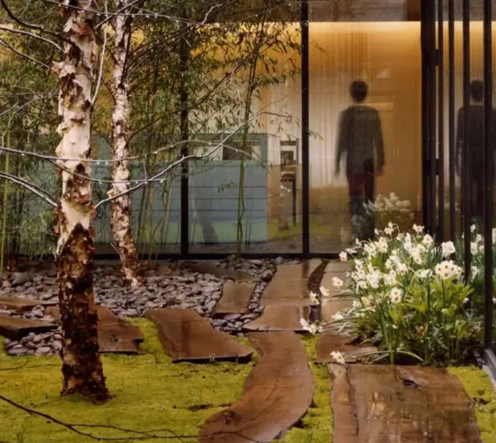
Michael Van Valkenburgh is a renowned landscape architect known for his innovative designs that harmonize with nature while enhancing the built environment. His approach marries art with utility, yielding projects that not only serve aesthetic purposes but also foster connection among users and nature. In this blog post, we will explore some case studies that illustrate his unique perspective on landscape design.
1. The Brooklyn Bridge Park Project
The Brooklyn Bridge Park is a remarkable example of Michael Van Valkenburgh’s transformative landscape architecture. Completed in phases, the park stretches along the East River and offers rich recreational opportunities while providing stunning views of Manhattan. The design incorporates natural elements and green spaces, making it a refuge in a bustling urban environment. Van Valkenburgh focused on ecological restoration, restoring habitats and improving water quality, enhancing biodiversity in an urban setting.
One notable feature is the innovative use of the site’s topography. The park’s features are designed to blend seamlessly with the natural landscape, using native plantings and topsoil to create visually striking yet functional ecosystems. The integration of family-friendly spaces, public art, and walking paths ensures that the park caters to a wide audience, making it a vital community hub.
-
- Explore native plant options for your local area.
-
- Consider topography to level or elevate areas of your landscape.
-
- Integrate art installations for added community engagement.
-
- Design multi-use spaces that cater to diverse community needs.
2. The Harvard University Graduate School of Design
The landscape design for Harvard’s Graduate School of Design is another testament to Van Valkenburgh’s visionary ideas. The project brings nature to the forefront of educational facilities and promotes outdoor interaction among students. Van Valkenburgh utilized ecological principles to create vibrant outdoor spaces that foster a spirit of creativity and collaboration. Features like rain gardens and green roofs not only enhance aesthetics but also serve educational purposes about sustainability.
On this campus, water management strategies significantly reduce runoff and encourage biodiversity. For instance, the design of open spaces includes features like terraced seating and biodiverse plantings that draw a variety of species, effectively turning the landscape into a learning lab. Students are encouraged to interact with their environment, promoting a sense of stewardship and connection to ecological processes.
-
- Integrate water management techniques in your designs.
-
- Utilize green roofs as a sustainable building method.
-
- Create outdoor learning spaces to foster environmental education.
-
- Encourage community interaction within landscape designs.
3. The Tang Museum at Skidmore College
Michael Van Valkenburgh’s design for the Tang Museum at Skidmore College highlights the principle of blending architecture with landscape. The project offers an engaging experience for visitors through its diverse outdoor spaces, which complement the museum’s interior exhibits. By using curvilinear paths and varied topography, the landscape encourages exploration and creates a dynamic interaction between art and nature.
In designing the grounds, Van Valkenburgh carefully considered the museum’s mission and the types of experiences they wanted to impart to visitors. The landscape features both contemplative spaces with seating and more vibrant areas designed for social engagement. Incorporating local materials not only ensured a cohesive aesthetic but also reduced the environmental footprint of the project.
-
- Explore design methods that represent a theme or institution.
-
- Enhance visitor experiences through thoughtful spatial arrangements.
-
- Use local materials to strengthen environmental sustainability.
-
- Incorporate both solitary and communal spaces in landscape designs.
4. The Saint Paul Riverfront
The redevelopment of the Saint Paul Riverfront showcases Van Valkenburgh’s ability to fuse landscape architecture with urban revitalization. By transforming underused waterfront areas into vibrant public spaces, this project reinforces community connections and enhances accessibility. Parks, plazas, and walking paths create an inviting atmosphere that encourages active use and fosters community pride.
One of the standout features of the riverfront redesign is the focus on integrating natural water elements, such as cascading streams and water gardens. This approach not only beautifies the area but also addresses stormwater management. The result is a landscape that is not only visually appealing but also ecologically responsible, promoting a healthy urban environment.
-
- Promote accessibility in park design for all community members.
-
- Incorporate natural water features for ecological benefits.
-
- Encourage active engagement through public spaces.
-
- Foster community pride through inclusive designs.
In conclusion, Michael Van Valkenburgh’s landscape designs demonstrate a profound understanding of the relationship between nature and urban life. His commitment to sustainability and community engagement is evident in every project he undertakes. If you’re looking to refresh your landscape or embark on a major redesign, consider reaching out to a professional landscape architect to explore how you can create a vibrant, functional space that resonates with its surroundings.