
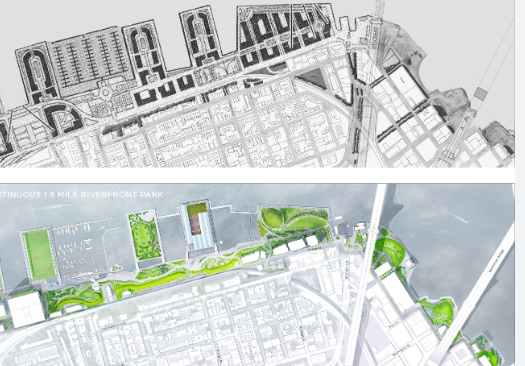
Georges Descombes is a remarkable name in the world of garden design, renowned for his approach that seamlessly blends nature with modern architecture. His work prioritizes ecological sustainability while creating inviting spaces that resonate with their surroundings.
1. The Philosophy Behind Descombes’ Designs
At the heart of Georges Descombes’ garden designs lies a deep respect for the environment. He believes that gardens should not only be visually stunning but also serve as ecosystems that promote biodiversity. This holistic approach means that he often incorporates native plants that require less maintenance and provide habitats for local wildlife. For instance, in many of his projects, you’ll find carefully selected plant species that thrive in the local climate, reducing water usage and the need for fertilizers or pesticides.
Moreover, Descombes emphasizes the importance of spatial harmony in his designs. He skillfully manipulates contours and levels to create dynamic outdoor spaces that invite exploration. By using elements such as ponds, elevated planters, and terraces, he creates layers within a garden that enhance both aesthetics and functionality.
-
- Research native plant species suitable for your area.
-
- Incorporate water features to support biodiversity.
-
- Play with levels and contours to create visual interest.
-
- Use sustainable materials in hardscaping elements.
2. Practical Applications in Garden Design
Georges Descombes employs techniques that not only beautify landscapes but also strengthen their ecological integrity. One prominent application is the integration of permeable surfaces to improve water drainage and reduce runoff. This approach can be seen in his designs, where paths and patios allow rainwater to permeate into the ground, nourishing plant life rather than overwhelming drainage systems.
Another practical aspect of his designs is the use of multi-functional elements. For example, Descombes may incorporate seating that doubles as planters, or create vertical gardens that enhance ventilation and aesthetics in urban settings. These approaches reflect a modern understanding of space utilization, ideal for homeowners looking to maximize their gardens while maintaining sustainability.
-
- Opt for permeable paving materials to enhance drainage.
-
- Consider multifunctionality in garden furniture.
-
- Design spaces that could serve both aesthetic and practical roles.
-
- Evaluate your garden design for seasonal changes in use.
3. Inspiring Case Studies of Descombes’ Work
One of Descombes’ standout projects is the Jardin de l’Institut in Geneva, Switzerland. Here, he transformed a previously neglected area into a vibrant educational space that showcases plant biodiversity. Visitors to the institute can enjoy learning about various plant species while meandering through themed gardens that reflect different ecological zones. The thoughtful design fosters not just beauty but also ecological awareness among passersby.
Another exemplary project is the landscape design for the headquarters of the Swiss Federal Railways. In this project, Descombes introduced green roofs and extensive landscaping that blend seamlessly with urban infrastructure. The design showcases how urban spaces can be transformed into green oases, improving air quality and providing much-needed recreational spaces for city dwellers, while promoting sustainable urban living.
-
- Look for local inspiration from projects like the Jardin de l’Institut.
-
- Engage with community spaces to enhance local biodiversity.
-
- Analyze mixed-use spaces to inspire your own designs.
-
- Visit renowned gardens to gather ideas and understanding.
In conclusion, Georges Descombes embodies an innovative spirit in garden design that elevates both functionality and beauty. His holistic approach serves as a guiding light for anyone looking to integrate sustainability into their outdoor spaces. Consider reaching out to a professional garden designer or starting your own journey through sustainable practices to create a garden that reflects your values.