
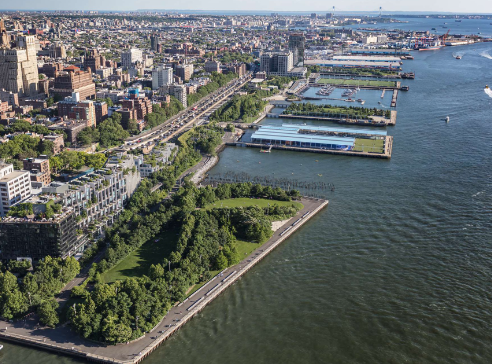
Michael Van Valkenburgh is a prominent figure in the field of landscape architecture, known for blending natural beauty with urban functionality. His extensive portfolio showcases transformative projects that enhance both public spaces and private landscapes, making them more sustainable and accessible. This blog post explores the key highlights of his portfolio, demonstrating his innovative approaches and unique design philosophy.
1. Signature Projects
One of the standout features of Van Valkenburgh’s portfolio is the variety of signature projects that reflect his mastery of landscape architecture. Among these is the Brooklyn Bridge Park, a revitalization project that turned an underutilized waterfront into a vibrant green space. This transformation not only improved the park’s aesthetics but also enhanced community engagement, offering walking paths, sports areas, and open lawns for relaxation.
Another notable project is the Indianapolis Museum of Art’s 100 Acres Park, which emphasizes ecological balance and sustainability. This project invites visitors to experience art, nature, and culture in a holistic environment. The park features natural woodlands, ponds, and meadows that are designed to flourish without constant human intervention, showcasing their commitment to maintaining ecological integrity.
-
- Study local demographics to understand community needs.
-
- Focus on sustainability through native plants and eco-friendly materials.
-
- Incorporate interactive elements that engage the public.
-
- Utilize topography to create diverse and engaging landscapes.
2. Design Philosophy
Michael Van Valkenburgh’s design philosophy centers around creating spaces that are not only visually appealing but also functional and sustainable. His approach often emphasizes the importance of engaging with the surrounding environment by considering hydrology, topography, and local ecology. This can be especially seen in projects like the Riverwalk in San Antonio, Texas, where the landscape is designed to enhance the natural beauty of the river while also mitigating flooding issues.
His commitment to collaboration is another key aspect of his philosophy. He works closely with local communities, artists, and engineers to ensure that designs resonate with cultural identity and landscape character. The result is a seamless integration of architecture and nature, exemplified through thoughtfully designed features that encourage public interaction and biodiversity.
-
- Conduct thorough site analyses to inform design choices.
-
- Engage stakeholders in the design process to gather input.
-
- Implement green infrastructure to promote sustainability.
-
- Prioritize user experience with walkable paths and accessible areas.
3. Innovative Techniques
Innovation plays a crucial role in Van Valkenburgh’s portfolio. His use of modern techniques and technologies allows for more dynamic and interactive landscapes, catering to contemporary environmental and social needs. For example, the use of water management strategies in his designs helps to combat flooding and conserve water, proving that creative landscape solutions can also address pressing ecological challenges.
Moreover, his ability to incorporate art into landscapes further enriches the visitor experience. Many of his projects feature collaborations with artists, which adds an unexpected dimension to a landscape. This approach not only enhances the visual appeal but also fosters a sense of connection between people and their environment, making spaces more memorable and meaningful.
-
- Explore cutting-edge materials that blend well with natural environments.
-
- Integrate technology for smart landscapes that promote sustainability.
-
- Collaborate with artists to infuse cultural elements into designs.
-
- Prioritize eco-friendly practices that minimize ecological footprint.
In conclusion, Michael Van Valkenburgh’s landscape architecture portfolio is a rich tapestry of innovative designs and sustainable practices. Whether revitalizing urban spaces or creating serene natural parks, his work embodies a forward-thinking approach that can inspire future landscape architects and city planners to push the boundaries of design. If you’re looking to transform your outdoor spaces, consulting with a professional like Van Valkenburgh might be your next step.