
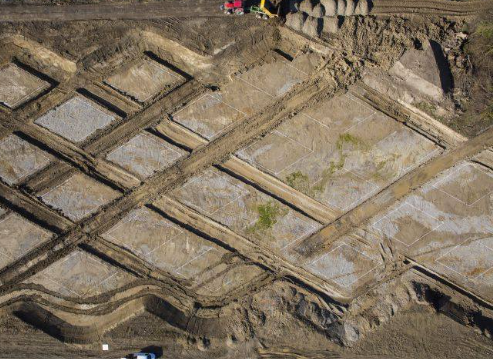
Georges Descombes is a renowned architect and landscape designer who skillfully merges the boundaries between built environments and natural landscapes. His work emphasizes the importance of space, form, and sustainability while creating harmonious interactions between architecture and the surrounding environment.
1. Understanding the Philosophy
At the core of Georges Descombes’ philosophy is the idea that architecture should not merely occupy a space but should interact with it. He believes that the landscape informs architectural forms and vice versa, making it essential that both elements work together cohesively. This approach is not just theoretical; it manifests in his innovative designs that elevate local contexts and enhance user experiences.
Descombes often explains that architecture should serve a purpose while remaining respectful of its environment. He integrates local materials and traditional building methods, showcasing the beauty of regional craftsmanship. One notable project is the “Crematorium of Tolochenaz” in Switzerland, where the structure’s materials harmonize with the surrounding landscape, blurring the lines between the buildings and the verdant hills that envelop them.
-
- Explore local materials for sustainable architecture.
-
- Consider how your design interacts with the existing landscape.
-
- Incorporate user needs into every architectural decision.
-
- Implement regional craftsmanship to enhance authenticity.
2. Key Projects That Showcase His Vision
Georges Descombes has completed a number of important projects that reflect his unique approach to architecture and landscape. One such project is the “Parc de la Poya” in Fribourg, Switzerland. This public park integrates urban spaces with nature, providing a multifunctional space that caters to various community needs, from recreation to leisure. The park’s layout allows visitors to feel connected to both the natural and the urban environment.
Another notable example is the “Garden of the Lumières” in Geneva, which beautifully illustrates how landscape can be used as a canvas for artistic expression. The design places a strong emphasis on seasonal changes, highlighting different plant species that bloom at various times, encouraging continuous engagements with nature throughout the year. These projects serve as perfect case studies for understanding how thoughtful integration can enhance public spaces.
-
- Research case studies of successful projects by Descombes.
-
- Analyze how community needs are met through architecture.
-
- Learn about integrating artistry into landscape design.
-
- Recognize the significance of seasonal changes in landscape planning.
3. The Role of Sustainability in His Designs
Sustainability is not merely a checkbox in Georges Descombes’ projects; it is a guiding principle. He focuses on reducing environmental impact through thoughtful design choices, such as using green roofs, permeable paving, and native flora. For instance, in the “School in Marly,” the use of renewable materials and passive heating techniques contributes to a smaller carbon footprint of the building.
Apart from material choices, Descombes emphasizes the importance of water management in landscape design. In many of his projects, such as the “Eaux-Vives Park,” he effectively uses rain gardens and bioswales that naturally filter runoff and enhance biodiversity. This showcases that sustainable design can be both functional and beautiful, adhering to ecological principles without compromising aesthetic values.
-
- Evaluate your project for sustainable material options.
-
- Incorporate water management systems like rain gardens.
-
- Utilize local flora to minimize maintenance and irrigation needs.
-
- Adopt passive heating and cooling techniques in building designs.
In summary, Georges Descombes’ architecture and landscape projects highlight the symbiotic relationship that exists between built environments and nature. By integrating local materials, respecting community needs, and considering sustainability, he creates spaces that are not just functional but also meaningful. Whether you are an aspiring architect or someone interested in landscape design, exploring his work can inspire you to think more deeply about the spaces you create or interact with. Connecting with professionals in the field or furthering your education on sustainable design could be the next exciting step in this journey.