
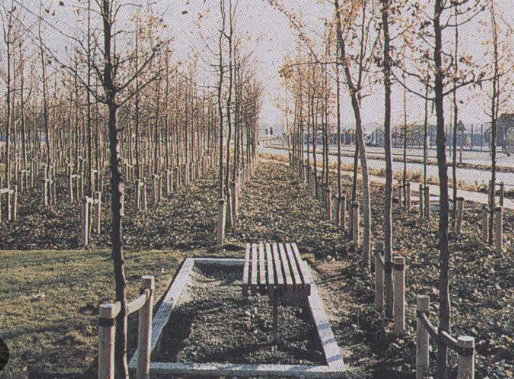
Michel Desvigne, a renowned landscape architect and urban designer, has made significant contributions to the field through his innovative designs and insightful interviews. In these discussions, he shares his thoughts on sustainable design, urban spaces, and the role of nature in architecture. This blog post aims to delve into the key takeaways from Michel Desvigne interviews, highlighting valuable insights for design enthusiasts and professionals alike.
1. The Philosophy of Landscape Architecture
In various interviews, Michel Desvigne emphasizes the importance of understanding landscape architecture not only as a profession but as a philosophy. He believes that landscapes must be seen as dynamic entities, influenced by various factors like climate, culture, and human activities. For instance, he often references projects where he closely collaborated with local communities, reflecting their cultural identity through natural elements. This approach not only beautifies urban spaces but also brings a sense of ownership and belonging to residents.
Moreover, Desvigne argues that landscape architecture has the potential to reconnect people with nature. By integrating green spaces within urban settings, landscapes can offer respite from the concrete jungle, fostering mental well-being and community interaction. His designs often feature natural materials, native plants, and sustainable practices, which resonate with eco-conscious trends in architecture.
-
- Embrace the philosophy of viewing landscapes as evolving narratives.
-
- Engage with local communities to reflect their identity in your designs.
-
- Incorporate sustainable practices like using native plants.
-
- Foster connections between people and nature through design.
-
- Continuously learn from changing environmental factors.
2. Sustainability and Urban Design
Desvigne’s interviews frequently highlight the intersection of sustainability and urban design. He discusses various strategies that can minimize environmental impact while improving urban life quality. One of his key insights is how urban spaces can integrate natural water management systems, such as rain gardens and permeable pavements, minimizing runoff and promoting biodiversity. By installing such features, cities can tackle both climate change challenges and enhance community aesthetics.
Furthermore, he argues that urban designs should prioritize not only functionality but also the experience of the users. For example, he often stresses the importance of creating multi-purpose spaces, where parks can serve as venues for events, recreation, or solitude. This multipurpose approach to design enhances the utility of public spaces and makes cities more vibrant and responsive to their inhabitants’ needs.
-
- Implement natural water management systems like rain gardens.
-
- Design urban spaces for multiple uses (e.g., recreation, events).
-
- Consider biodiversity and green practices in your projects.
-
- Assess the environmental impact of urban designs regularly.
-
- Involve community feedback in the design process.
3. The Role of Technology in Landscape Architecture
Technology plays a crucial role in modern landscape architecture, a fact frequently addressed in Desvigne’s interviews. He emphasizes how designing software and simulation tools enhance the ability to visualize and modify spaces before implementation. This technology allows designers to experiment with various elements, ensuring the final product best meets the community’s needs and desires. The use of GIS (Geographic Information Systems) tools is particularly relevant in project planning and management, making data-driven decisions easier.
Desvigne also touches on the integration of smart technology in public spaces, such as sensor lights or interactive installations that enhance user engagement. These elements can create a more immersive experience for visitors, making parks and landscapes not just aesthetic havens but also interactive environments that promote education and sustainability. The focus on technology in design responds effectively to today’s digital-savvy generation, enhancing their interaction with spaces.
-
- Utilize software and simulation tools to visualize projects.
-
- Incorporate GIS tools for data-driven decision making.
-
- Experiment with smart technologies that engage users.
-
- Continuously explore advancements in technology for sustainable designs.
-
- Educate the community on the benefits of tech-enhanced spaces.
In summary, Michel Desvigne’s interviews provide a wealth of knowledge for understanding modern landscape architecture. His emphasis on philosophy, sustainability, and technology paves the way for a more holistic approach to design. For those interested in delving deeper into this transformative field, consider connecting with professionals or exploring further education opportunities. The future of urban spaces lies in our ability to integrate these elements skillfully.