
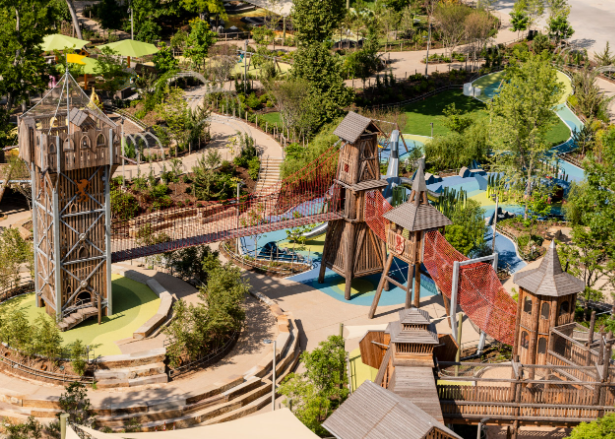
Michael Van Valkenburgh is a renowned landscape architect known for his innovative riverfront designs that beautifully integrate nature with urban spaces. His work not only prioritizes aesthetic values but also emphasizes ecological sustainability, community engagement, and resilience against climate change. In this blog post, we will explore key elements of his riverfront landscape designs, showcasing both practical details and actionable tips for implementation.
1. Emphasizing Ecological Sustainability
One of the hallmarks of Michael Van Valkenburgh’s approach is his commitment to ecological sustainability. He believes that urban landscapes should contribute positively to their surrounding environments. For instance, his designs often include the use of native plants that require less water and maintenance, helping to preserve local ecosystems. Additionally, he incorporates features like rain gardens and bioswales that manage stormwater naturally, reducing the burden on municipal systems.
Incorporating sustainable practices in riverfront landscape design can create a thriving habitat for local wildlife, promote biodiversity, and improve water quality. For a successful implementation, it is essential to conduct a site analysis that identifies the most suitable native plant species and the area’s hydrology before beginning your project.
-
- Research local native plants that thrive in your region.
-
- Consider incorporating rain gardens to manage runoff.
-
- Use sustainable materials that blend seamlessly with the environment.
-
- Monitor the health of the ecosystem periodically to ensure a thriving habitat.
-
- Engage with local environmental organizations for support and resources.
2. Fostering Community Engagement
Another significant aspect of Van Valkenburgh’s riverfront designs is their ability to foster community engagement. His projects often serve as gathering spaces that invite public interaction and socializing. For example, the Brooklyn Bridge Park is a prime illustration where recreational facilities, waterfront access, and green landscapes combine to create a beloved social hub. This design encourages residents and visitors alike to connect with each other and with nature.
Community feedback plays a crucial role in shaping these spaces. Effective communication with residents helps identify their needs and preferences, ensuring the landscape reflects the community’s characteristics and culture. Additionally, involving locals in the maintenance and stewardship of these spaces enhances communal ownership and pride.
-
- Host community workshops to gather feedback on design proposals.
-
- Design multi-functional spaces that cater to various activities.
-
- Incorporate public art created by local artists to enhance engagement.
-
- Set up volunteer opportunities for ongoing maintenance and care.
3. Creating Resilient Urban Spaces
As climate change poses significant challenges, creating resilient urban landscapes is crucial. Michael Van Valkenburgh’s riverfront designs exemplify how to build spaces that can withstand extreme weather events, such as floods or heatwaves. By integrating elements like elevated walkways, flood-resistant landscaping, and permeable surfaces, these areas can better cope with rising water levels while providing essential recreational spaces for the community.
Collaborating with engineers and climate specialists during the planning phase is vital for ensuring that inbuilt resilience features effectively address potential issues. The idea is to not only protect the landscape but also to create an adaptable space that will serve future generations, regardless of climate impacts.
-
- Consult with climate experts to assess local risks.
-
- Implement barriers that protect the landscape during flooding.
-
- Choose drought-tolerant plants to minimize water usage.
-
- Incorporate features that cool the landscape, such as water stations or shade structures.
In conclusion, Michael Van Valkenburgh’s approach to riverfront landscape design highlights the importance of ecological sustainability, community engagement, and resilience. By adopting these principles, you can create a riverfront space that not only enhances beauty but also supports the environment and brings people together. If you’re considering a riverfront project, it’s beneficial to consult with professionals who can guide you through these innovative design principles. Together, we can contribute to a greener, more inclusive urban environment.