
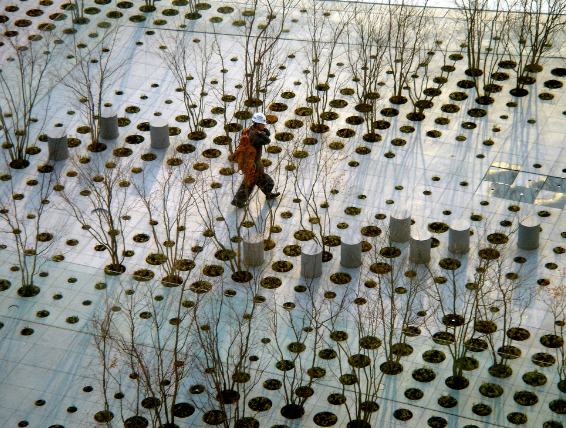
Michel Desvigne is a prominent figure in the field of landscape urbanism, known for his innovative and sustainable approach to designing urban green spaces. His projects reflect a deep understanding of the relationship between nature and urban development, often integrating ecological principles into urban planning. This post will explore several of Desvigne’s notable works and the concepts behind them.
1. The Requalification of the Hoenheim Nord District
One of Desvigne’s signature projects is the requalification of the Hoenheim Nord District in France. This project aimed to transform a neglected urban area into a vibrant, multi-functional space. Desvigne focused on creating a landscape that not only enhances aesthetic value but also promotes ecological sustainability through the use of native plant species, rainwater management techniques, and biodiversity-friendly habitats.
The layout of the requalified district encourages pedestrian movement by integrating green corridors and walking paths. This design not only improves accessibility but also strengthens community ties by providing gathering spots and recreational areas. The incorporation of water features helps manage stormwater while adding a serene atmosphere, making it an excellent example of functional and beautiful landscape design.
-
- Understand the community needs before planning.
-
- Utilize native flora for sustainability.
-
- Design for accessibility to promote public engagement.
-
- Incorporate water elements for both aesthetics and function.
-
- Maintain flexibility in design to adapt to future changes.
2. La Presqu’île de Rodin
La Presqu’île de Rodin is another of Desvigne’s exemplary projects, where he masterfully combined natural elements with urban structures. Located in France, this site utilizes the concepts of landscape urbanism to create a platform for public interaction and cultural expression. The design emphasizes open spaces interspersed with greenery, which invites visitors to engage with their environment.
This project also highlights the importance of social sustainability through inclusive spaces that cater to various activities. Desvigne incorporated interactive art installations and performance areas to promote community participation. The use of varied elevations and topographies encourages exploration and curiosity, with pathways that lead to different areas, each with its unique character and atmosphere.
-
- Encourage community involvement in design processes.
-
- Utilize diverse topography to create engaging spaces.
-
- Incorporate interactive features to enhance visitor experience.
-
- Design spaces for both relaxation and activity.
-
- Promote cultural events to foster community engagement.
3. Parc André Citroën
Parc André Citroën in Paris is a showcase of Desvigne’s expertise in creating urban parks that balance aesthetics, function, and ecological sensitivity. This project transformed a former industrial site into a modern urban park with ample green space, playgrounds, and gardens. By reinstating native vegetation, the park promotes biodiversity and provides habitats for local wildlife.
The park’s layout employs geometric patterns and water features that offer both functionality and beauty. This design not only enhances the user experience but also integrates successfully with the urban fabric surrounding it. Additionally, the park includes educational features that engage visitors in understanding the local ecology, thus raising awareness about the importance of green infrastructure in urban settings.
-
- Focus on sustainability through native plants.
-
- Integrate water features for functional benefits.
-
- Design with educational elements to engage the public.
-
- Ensure accessibility for all age groups.
-
- Plan for diverse recreational activities.
4. Rehabilitating Public Spaces in Lyon
In a recent project in Lyon, Desvigne was tasked with rehabilitating underutilized public spaces to strengthen community bonds and improve urban life. He aimed to breathe new life into these areas by incorporating green elements and multi-purpose use. The project focused on transforming gray infrastructure into green networks that allow for recreation, gathering, and learning.
This initiative also included the installation of urban furniture along pathways and in parks, encouraging people to gather and spend time outdoors. By introducing community gardens and shared spaces for events, Desvigne’s work addresses the need for accessible urban environments. These changes not only beautify the community but also enhance social interaction among residents, fostering a sense of belonging.
-
- Assess current usage of public spaces.
-
- Incorporate recreational features to attract visitors.
-
- Design flexible spaces for various community functions.
-
- Ensure maintenance of green areas to encourage ongoing use.
-
- Engage local residents in co-design processes.
Michel Desvigne’s landscape urbanism projects reflect a deep commitment to integrating nature into urban environments while promoting social sustainability. His innovative approach to urban design not only enhances the aesthetic appeal of cities but also encourages community interaction and ecological integrity. For those inspired by his work, engaging with a landscape architect can be the next step in creating harmonious urban spaces in your community.