
Michael Van Valkenburgh is a celebrated landscape architect known for his innovative approach to site planning. His work emphasizes the intricate relationship between the built environment and nature, creating spaces that are not only functional but also aesthetically pleasing and sustainable. This blog post will delve into the key principles of Van Valkenburgh’s site planning, providing practical insights and actionable tips for those looking to enhance their own outdoor spaces.
1. Understanding the Context
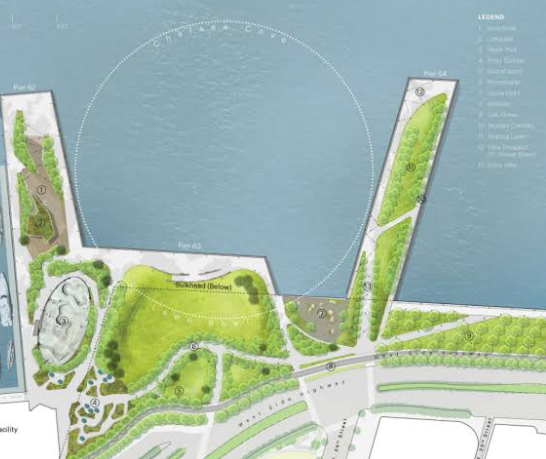
One of the foundational principles of Van Valkenburgh’s approach is the importance of understanding the context of a site. This means studying the geographical, historical, and social nuances of a location before designing. For example, in his project for Brooklyn Bridge Park, he considered the area’s industrial history, transforming it into a public space that integrates natural landscapes with urban elements. This context-specific design not only respects the history but also enriches the community’s experience.
Contextual understanding helps in making informed decisions regarding plants, materials, and layout. By considering local flora and the cultural background, designers can create spaces that resonate with users. A successful site plan will harmonize with its surroundings, encouraging people to engage with the environment positively.
-
- Conduct thorough site assessments.
-
- Research the site’s historical significance.
-
- Engage with local communities for insights.
-
- Evaluate existing ecosystems and wildlife.
-
- Consider seasonal changes and microclimates.
2. Emphasizing Connectivity
Another critical aspect of Van Valkenburgh’s site planning is the emphasis on connectivity. He believes that spaces should foster social interaction and ease of movement. His designs often incorporate pathways, trails, and gathering spots that encourage interaction among visitors. For instance, the National Gallery of Art Sculpture Garden in Washington, D.C. features a careful layout of pathways that guide visitors through art and nature, enhancing their experience of the space.
Creating connectivity can be as simple as designing pathways that link various areas or as intricate as integrating different landscape elements into a cohesive experience. When accomplished effectively, this creates a sense of community and belonging, drawing people together in shared spaces. A well-connected site can also reduce traffic congestion and improve environmental health by encouraging walking and cycling.
-
- Design pathways that facilitate easy navigation.
-
- Incorporate seating areas to encourage gathering.
-
- Utilize native plants to create a sense of place.
-
- Create clear sightlines to promote safety and visibility.
-
- Ensure accessibility for all visitors.
3. Prioritizing Sustainability
Sustainability is at the heart of Michael Van Valkenburgh’s design philosophy. His projects aim to minimize environmental impact while maximizing the positive attributes of landscapes. For example, he advocates for the use of native plant species that require less water and are more resilient to local pests. This not only promotes biodiversity but also reduces maintenance costs and water usage, aligning with modern sustainability goals.
Additionally, considering aspects like stormwater management and soil health are essential in site planning. Implementing green infrastructure, such as bio-retention areas and green roofs, can help manage runoff while enhancing the landscape’s visual appeal. Employing these strategies fosters healthier ecosystems and creates spaces that are adaptive and resilient to climate challenges.
-
- Choose native plants that support local wildlife.
-
- Implement rain gardens to manage stormwater.
-
- Use permeable materials to reduce runoff.
-
- Incorporate renewable energy sources where feasible.
-
- Educate users about sustainability practices.
In conclusion, embracing the principles of Michael Van Valkenburgh in site planning can lead to the creation of vibrant, sustainable, and community-oriented landscapes. Whether you are a landscape architect or a homeowner interested in enhancing your outdoor space, understanding context, connectivity, and sustainability will guide your design decisions. Consider consulting with a professional or starting your own landscape project to transform your environment meaningfully.