
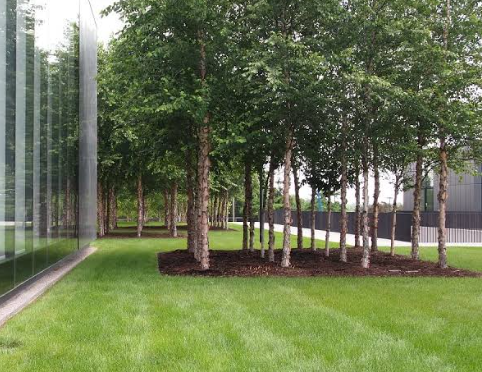
Michel Desvigne is a renowned figure in European landscape architecture, known for his innovative approaches that harmonize nature with urban environments. His designs emphasize ecological principles while catering to the cultural context of the areas he works in. This blog post will delve into his design philosophy, notable projects, and the impact of his work on the landscape architecture field.
1. Design Philosophy of Michel Desvigne
Michel Desvigne’s design philosophy revolves around the intricate relationship between people and the landscape. He believes in creating spaces that are not only aesthetically pleasing but also functionally enriching for communities. By integrating natural elements into urban settings, he seeks to promote sustainability and enhance biodiversity. This approach reflects a keen understanding of local ecological systems, offering unique solutions that are tailored to specific environments.
His emphasis on “landscape as infrastructure” illustrates his commitment to viewing landscapes as dynamic systems rather than static elements. Desvigne prioritizes resilience in his designs, which is particularly crucial in urban settings facing environmental challenges. For instance, his work often includes features such as green roofs and permeable pavements, which effectively manage stormwater while providing ecological benefits.
-
- Consider local ecology in design decisions.
-
- Focus on human-scale interactions with the landscape.
-
- Integrate sustainability features where possible.
-
- Promote biodiversity through thoughtful planting choices.
2. Notable Projects by Michel Desvigne
One of Desvigne’s flagship projects is the Parc de la Villette in Paris, which showcases his ability to blend art, nature, and urban space. This project includes a varied landscape of gardens and recreational areas, allowing for a broad spectrum of community activities. The design skillfully integrates the existing structures within the park, ensuring that the natural elements enhance the architectural features rather than detracting from them.
Another significant project is the redevelopment of the Bordeaux riverbanks. Here, Desvigne designed a flexible landscape that accommodates various activities while improving accessibility to the water. This riverbank transformation enhances urban life by providing public spaces for leisure, recreation, and social interaction, all while respecting the natural habitat of the area.
-
- Research local history and context before starting a project.
-
- Consider integrating multifunctional spaces to maximize usability.
-
- Utilize diverse materials that reflect the region’s character.
-
- Engage local communities during the planning phase for better acceptance.
3. Impact on European Landscape Architecture
The influence of Michel Desvigne on European landscape architecture is profound and wide-reaching. By advocating for designs that enhance ecological and social resilience, he is shaping a sustainable future for urban landscapes. His projects often serve as case studies for aspiring architects and landscape designers, highlighting the importance of blending artificial and natural environments in a way that promotes coexistence and mutual respect.
Furthermore, Desvigne’s work has fostered conversations about environmental responsibility in urban planning. Many of his ideas have inspired not just landscape architects but also city planners and policymakers to consider nature as an essential component in urban design. This shift in perspective is crucial for creating cities that not only meet human needs but also support environmental integrity.
-
- Stay informed about emerging trends in landscape architecture.
-
- Participate in community discussions about urban development.
-
- Advocate for policies that prioritize green spaces and sustainability.
-
- Network with other professionals in the field to share ideas.
In conclusion, Michel Desvigne’s contributions to landscape architecture offer valuable insights into how we can harmonize urban environments with natural elements. His innovative designs and commitment to sustainability provide a powerful model for future projects. Whether you’re a landscape architect, a city planner, or simply interested in improving green spaces in your area, consider exploring Desvigne’s work and philosophy further.