
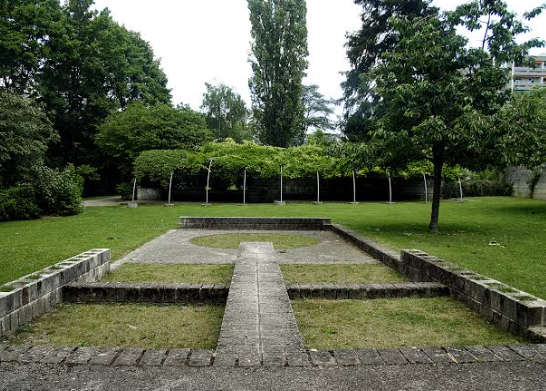
Georges Descombes is a distinguished figure in Swiss landscape architecture, known for his innovative approach to integrating nature with urban environments. His work emphasizes the importance of ecological sustainability, cultural relevance, and aesthetic appeal, making significant contributions to the field.
1. Embracing Nature in Urban Spaces
Descombes advocates for a holistic integration of natural elements within urban areas, believing that these connections can enhance both the environment and the quality of life for city dwellers. For instance, his projects often include green roofs, walls, and community gardens that not only beautify the landscape but also contribute to biodiversity and ecological health. By using native plants and natural materials, he creates spaces that resonate with the local landscape and climate.
His work often demonstrates how greenery can alleviate urban heat islands and improve air quality, showing that landscape architecture can serve both aesthetic and functional purposes. Projects such as the landscape of the Ecole Polytechnique Fédérale de Lausanne (EPFL) exemplify how his designs cater to both educational and recreational needs of a crowded urban campus.
-
- Incorporate native plants for sustainability.
-
- Design multifunctional spaces, such as parks that host events.
-
- Use natural materials to resonate with the local environment.
-
- Plan for biodiversity by including various plant species.
2. Innovative Use of Water in Landscape Design
Water is a prevalent theme in Descombes’ work, where it serves both ecological functions and visual aesthetics. He skillfully incorporates water features, such as ponds, streams, and fountains, into his designs, enhancing the sensory experience of outdoor spaces. These water elements not only provide aesthetic enjoyment but are also essential for managing rainwater and supporting local wildlife.
His thoughtful integration of water into landscapes facilitates ecosystems that thrive on wetland environments, demonstrating his commitment to ecological principles. The transformation of former industrial sites into vibrant waterfront parks showcases how water can revitalize urban settings while addressing environmental concerns such as flooding and water pollution.
-
- Utilize rain gardens to manage stormwater effectively.
-
- Implement bioswales to reduce runoff in urban areas.
-
- Design ponds that support wildlife and enhance aesthetics.
-
- Consider the ecological needs of the area when introducing water features.
3. Cultural Landscapes and Community Engagement
Descombes believes that landscape architecture should be reflective of the cultural context in which it exists. His projects often involve extensive community engagement, ensuring that the needs and preferences of local residents are considered in the design process. This approach fosters a sense of belonging and ownership among community members, making the spaces more meaningful and well-utilized.
One notable example of this engagement is the “Route des Crêtes,” a project that not only offers spectacular views but also serves as a cultural and educational pathway. Local history, ecology, and art are interwoven throughout the landscape, providing educational opportunities while celebrating regional heritage.
-
- Conduct community surveys to gather input on design preferences.
-
- Integrate local history or cultural elements into your designs.
-
- Host workshops to educate the community about the project.
-
- Create interactive installations that invite public engagement.
4. The Future of Landscape Architecture
Looking forward, Descombes’ work challenges emerging landscape architects to think critically about environmental sustainability amidst rapid urbanization. His philosophy emphasizes adaptive design and resilience in the face of climate change, urging new designers to create landscapes that are not only beautiful but also functional in a changing world. As global challenges intensify, the need for thoughtful, resilient design becomes even more relevant.
Descombes’ practices can inspire future generations to prioritize sustainability, creativity, and community involvement in their landscape designs. By thoughtfully considering how each design can contribute to the ecosystem, landscape architects can create projects that stand the test of time, serving both current and future generations.
-
- Promote biodiversity in urban planning initiatives.
-
- Adopt regenerative practices in landscape management.
-
- Utilize technology for efficient water management.
-
- Encourage interdisciplinary collaboration for innovative design solutions.
In conclusion, Georges Descombes exemplifies the importance of integrating natural and cultural elements in landscape architecture. His work serves as a powerful reminder of how thoughtful design can improve both urban living and ecological health. For those interested in enhancing their own gardens or community spaces, consulting with professionals like Descombes could lead to transformative changes in their surroundings.