
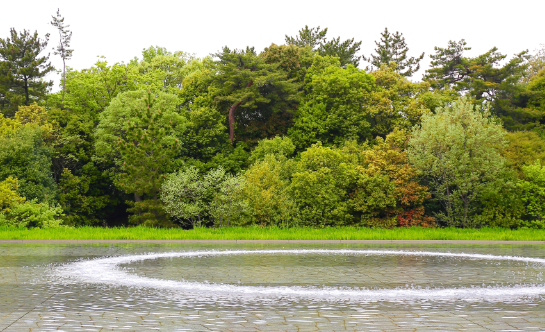
Peter Walker is a well-respected landscape architect known for his innovative approach to designing abstract landscapes. His work often blurs the lines between natural beauty and artistic expression, creating spaces that invite contemplation and connection. In this blog post, we will explore how Walker’s abstract landscapes resonate with audiences and the principles that guide his creative process.
1. The Philosophy Behind Abstract Landscapes
Walker’s philosophy centers on the idea that landscapes can be more than just functional green spaces; they can evoke feelings and provoke thoughts. He believes that abstract landscapes allow for a unique interpretation, encouraging individuals to engage with the environment in a personal way. For instance, his work often includes shapes and forms that don’t always mimic nature directly, instead using geometric patterns and textures to offer a refreshing perspective.
This approach is not merely artistic; it is also practical. Abstract elements can help direct people’s movement and attention within a space, creating flow and interaction. Walker’s designs often incorporate pathways, seating areas, and gardens that foster connections, making each space a gathering point rather than a mere backdrop.
-
- Consider how the form and flow of your landscape can guide visitors.
-
- Explore the use of abstract shapes to redefine traditional landscape architecture.
-
- Encourage personal interpretation through varied textures and patterns.
-
- Think beyond aesthetics; consider functionality and social interaction.
2. Elements of Design in Walker’s Work
Walker’s abstract landscapes utilize various elements that define the character of each space. Some of the most common elements include color, texture, and structure, all of which provide depth and interest. For instance, he often employs a palette of contrasting colors that reflects different seasons and moods, making the landscape dynamic and ever-changing.
Textures are also crucial in Walker’s designs. By incorporating various materials—like stone, wood, and metal—he creates tactile experiences that invite touch and interaction. Furthermore, structured elements such as walls, seating, and plantings offer not just a frame for the landscape but also support the overall concept of the design, making it more cohesive.
-
- Experiment with colors that reflect the natural environment.
-
- Incorporate materials that provide a variety of textures.
-
- Use structured elements to enhance natural features.
-
- Think about how light interacts with your chosen materials.
3. The Role of Nature in Abstract Design
While Walker’s landscapes may appear abstract, nature remains at the core of his designs. He skillfully merges natural elements with human-made structures to produce spaces that resonate with both aesthetics and ecological consciousness. For instance, by aligning pathways with existing trees or water features, he creates a harmonious relationship between built and natural environments.
Additions like native plantings are another way Walker keeps the essence of nature alive in his designs. By selecting species that thrive in the area, he ensures that the landscape remains sustainable and enhances local biodiversity. This dual focus on beauty and ecological responsibility serves as a guide for anyone looking to delve into landscape design.
-
- Choose indigenous plants that match your local climate.
-
- Incorporate natural elements like water or rocks into your designs.
-
- Align pathways and features with natural landscape contours.
-
- Embrace the unpredictable nature of wildlife interactions.
4. Case Studies of Successful Abstract Landscapes
Walker’s portfolio is filled with exemplary projects that highlight his unique approach to abstract landscapes. Take the Berkeley Art Museum and Pacific Film Archive for example; the outdoor spaces blend architecture with nature in profound ways. Here, Walker designed gardens and outdoor areas that encourage visitors to explore while appreciating both art and nature, turning the space into an extension of the museum’s mission.
Another notable project is the Dubai Marina Park, where Walker transformed arid land into a functional urban park featuring abstract elements that reflect local culture and environment. The design incorporates shaded areas for social interaction and walking paths that encourage physical engagement with the artwork displayed throughout the park.
-
- Research various successful projects to gather inspiration.
-
- Analyze how abstract elements are implemented in these spaces.
-
- Consider the cultural context when designing landscapes.
-
- Incorporate artist collaborations for a more dynamic landscape.
5. Tools and Techniques for Creating Abstract Landscapes
When tackling abstract landscape designs, there are specific tools and techniques one can use to achieve a cohesive and engaging outcome. For instance, software like AutoCAD and SketchUp allows landscape architects to scale their ideas, visualize spatial relationships, and experiment with different layouts before construction begins. These tools facilitate the creative process, offering a platform for trial and error without the immediate constraints of a physical site.
Moreover, hands-on techniques like model making can also be invaluable. Building miniature versions of landscapes can provide insight into proportions, textures, and colors, allowing designers to see their ideas come to life in a tangible form. These tactile models can even serve as excellent communication tools when collaborating with clients or stakeholders.
-
- Utilize landscape design software for better visualizations.
-
- Experiment with 3D modeling to try out elements before implementing.
-
- Create physical models to enhance understanding of your design.
-
- Collaborate with artists and architects for a multidisciplinary approach.
In conclusion, Peter Walker’s work in abstract landscapes serves as a brilliant reflection of the interface between art and nature. By exploring his philosophy, design elements, and successful case studies, one can understand how to create similar engaging spaces. Whether you’re a budding landscape architect or a professional looking to expand your horizons, consider diving deeper into the emotional and aesthetic dimensions of landscape design. Take the first step today to transform your environment into a reflective and inviting space!